
The 90-Day Blueprint for Converting New Hires into Top Performers


The 90-Day Window that Decides Everything
The first 90 days don't seem significant from the outside. There is no single moment when things go obviously wrong. What happens instead is more subtle.
A new recruit starts strong, then slows down. Questions linger a little longer than they should. Decisions get deferred upward. Confidence wobbles, even if performance looks fine on paper.
Most organisations/organizations treat this phase as a settling-in period. Something to get through before "real work" begins. That framing misses the point. The early months shouldn't be a warm-up. They should be when expectations are set, habits start to form, and people begin to find their place.
The trouble is that onboarding is often inconsistent. A Gallup study found that one in five employees reported poor onboarding experiences. That's despite research showing that effective onboarding can increase productivity by over 70% and retention by up to 82%.
When onboarding feels patchy, confusing, or barely there at all, a new Marketing, Media or Events recruit starts behind the line. That's why the first 90 days carry so much weight.
When early expectations are clear, support is visible, and feedback arrives when it is still useful, people tend to lean in. They take sensible risks. They ask better questions. They start solving problems rather than working around them. When those conditions are missing, people become cautious. They wait. They mirror what they see rather than improving it. Your approach to shaping the first 90 days for a new employee won't guarantee success, but it will make success possible.
The Real Business Cost of Getting Onboarding Wrong
Most leaders only feel the cost of poor onboarding after the fact. A resignation lands, a project slips, or a team starts sounding stretched. By then, the damage is done, and it's often much bigger than most people realise. The obvious cost is recruitment. If your new recruit doesn't work out, you must pay for everything again: job ads, agency fees, interview time, and background checks. 
Overall, the cost of a bad recruit can reach an average 30% of a person's annual salary. On the other hand, companies with structured onboarding see up to a 60% year-over-year revenue increase.When someone leaves within their first few months, that spend produces no return. The business resets and pays again. What is often overlooked is that the second recruitment typically takes longer because confidence in the role or process has been shaken.
Early onboarding requires significant management attention. Systems are explained. Work gets reviewed more closely. Decisions are double-checked. This is expected and healthy when it leads to a positive outcome for everyone involved. When onboarding is weak, that investment stretches out instead of tapering off. New Recruits keep checking things they should already understand. They avoid decisions because they are unsure of the boundaries. Weeks pass, and the manager still feels like the role is "in progress."
According to McKinsey, when onboarding is structured with a 90-day plan, goal achievement increases from 15% to 75%. In small and mid-sized teams, poor onboarding shifts the workload among other Marketing, Media or Events team members. Over time, resentment can creep in, especially when the team begins to assume new starters will struggle.
New Recruits feel this first. When expectations are unclear, people protect themselves. They become cautious. They wait for direction. Initiative drops, not because they lack ideas, but because they do not want to get it wrong. The Organisation adapts too. Managers lower the bar without realising/realizing it. Teams stop expecting much early on, and this mindset is hard to shift once it settles.
Starting a Marketing, Media or Events role without clarity or support quickly creates stress. Starting with structure, clear priorities, and regular check-ins usually has the opposite effect. People settle faster. Problems surface earlier. Energy is spent on work, not worry. None of these costs is due to a lack of effort or care. They come from gaps that feel small in the moment and expensive later. When onboarding works, it delivers real results. It shortens the distance between joining and contributing, protects the team around the recruit, and gives people a fair chance to succeed without unnecessary friction.
How To Structure Your Onboarding Plan for New Marketing, Media or Events Recruits
When onboarding goes wrong, it rarely fails all at once.
A new Marketing, Media or Events recruit might have all the right systems access but no idea who to ask for help. Or they might feel socially welcome but still be unsure what their manager truly cares about. Sometimes the role itself makes sense, but the unwritten rules do not. Those gaps are easy to dismiss individually. Together, they slow people down.
After reviewing enough early exits and slow ramp-ups, a pattern emerges. Companies that succeed look at three things, constantly:
Can they do the job?
When access is delayed, systems are confusing, or processes exist only in someone's head, new Recruits spend their early weeks working around the Organisation instead of working for it. They hesitate because they are not sure whether a problem is their fault or the system's. T
hat hesitation is costly, especially in roles where decisions matter.
Do they feel like part of the team?
 New recruits quickly notice whether people want them to succeed. They see who checks in, who explains the unwritten rules, and who leaves them to figure things out on their own.
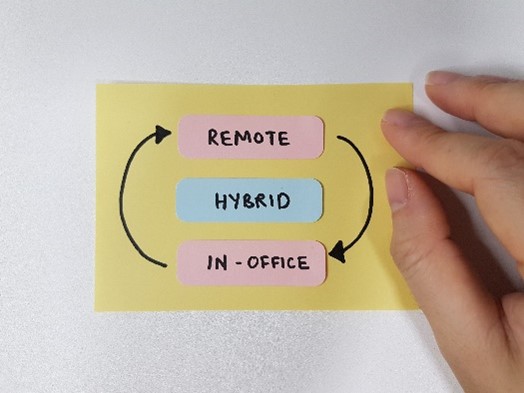
In hybrid and remote teams, this matters even more because isolation is easier to hide. Without that connection, people tend to withdraw. They rely on formal processes. They stop asking small questions and start making assumptions.
Do they understand what's expected?
Many new recruits are capable, experienced people who still spend their first months guessing. Guessing what matters, how much detail is enough, or whether silence means approval or indifference. Harvard Business Review has noted that many organisations fail to set clear early performance expectations. The result is rarely outright failure. It is caution and delays.
The businesses that struggle most with onboarding often treat these issues separately or hand them off to different people. The companies that perform better accept that new recruits experience all of this at once and develop a clear roadmap to success.
Days 1 to 30: Shaping the First Month
A new recruit usually assumes any friction they encounter is temporary or their own fault. If access is missing, they wait. If priorities are unclear, they hedge. If feedback is quiet, they assume they're doing fine. By the end of the first week, patterns start forming, and not always positive ones.
To get the first month right, Marketing, Media or Events companies need to recognise a few things:
What Happens Before Day One Matters
The gap between signing the offer and starting the role sends a message. 
When that stretch is quiet, people don't just wait. They start guessing. Is everyone swamped? Was the recruitment rushed? Is this just how things work here? By the time day one rolls around, those guesses have already shaped expectations.
Pre-onboarding doesn't need to be fancy. Access sorted. Equipment ready. A short note from the manager outlining the first week's focus. That alone removes a surprising amount of uncertainty. Research across onboarding studies consistently shows that many new Recruits receive none of this, which helps explain why so many start on the back foot.
Day One Sets the Tone
Most first days are packed with information. Systems, policies, introductions, presentations. The intention is to be thorough, yet the result is often overload.
New Recruits rarely request more content on day one. They're looking for signals. Is my manager available? Do people expect questions? What should I focus on first?
A first day that works well usually has fewer slides and more conversations. A clear sense of what matters this week, not everything that matters eventually.
Missing access, unclear processes, and undocumented shortcuts show up in almost every Organisation. New Marketing, Media or Events Recruits expect that. What they struggle with is not knowing whether those gaps are acknowledged.
When problems are identified early, even if they are not yet fixed, trust builds. When they are ignored, people assume they are on their own. That is when hesitation sets in.
Open Communication Matters
 New recruits don't stop asking questions because they've learned everything. They stop because they are unsure how their questions are being received.
Having a clear point of contact outside the manager changes this dynamic. Research into hybrid onboarding shows that new recruits who connect regularly with a buddy report higher confidence and faster productivity. That matches what many teams see in practice. Small questions get answered early. Small misunderstandings never become habits.
Clarity is Everything in The First Month
The first 30 days don't need a detailed performance plan. They need clarity.
People need to know what a good first month looks like. What matters. What can wait. Where mistakes are expected and where they are not. When expectations are vague, capable people slow themselves down to stay safe.
When expectations are clear, even if they evolve, people move with more confidence.
Days 31 to 60: Where Momentum Builds
By the second month, most new Recruits look fine on the surface. They know the tools. They recognise/recognize faces. Basic questions come up less frequently. From a distance, it can feel like the role has clicked. This is often when Marketing, Media or Events managers shift their attention elsewhere, and progress begins to slow.
What changes in this phase are not capabilities. It's confidence. People start testing their judgement/judgment, not just their knowledge. They want to know whether they're trusted to make calls, not just follow instructions. If that signal never comes, they tend to play it safe.
In month two, work should begin to feel like it belongs to the new recruit. That doesn't mean piling on pressure or suddenly ramping up workload. It means shifting the conversation away from what's been ticked off and towards how someone's thinking.
Are they spotting issues before they're raised? Are they prioritising/prioritizing in a way that matches the team? Are they starting to see why some decisions carry more weight than others?
Feedback Works Best When It's Early and Often
Waiting for a formal review to raise issues rarely helps. By day 60, patterns are already forming.
Short, regular check-ins make a difference here. Not long meetings. Just specific conversations that confirm what's working and adjust what isn't. That's why structured 30, 60, and 90-day expectations are linked to better goal achievement, not because of the document itself, but because it forces clarity before habits settle.
Broadening the View of Work
This is also when new recruits should begin to see how their work fits into the wider Marketing, Media or Events business. Once people understand where their work will go next, decision-making becomes easier. They hesitate less. They escalate less. A couple of timely introductions, or being invited into the right meeting, can save a lot of frustration later. It also changes how new Recruits see themselves. They feel involved, not just present.
By the end of this phase, there should be an honest conversation about three things: what's landing well, where expectations remain unclear, and what needs to change before the role is fully owned. When that conversation happens, the third month usually moves faster. When it doesn't, people often stay in a holding pattern longer than anyone realises.
Days 61 to 90: When the Role Becomes Real
This is usually the moment when a new Marketing, Media or Events recruit either begins to feel settled in the role or starts to question whether they ever will.
The Shift from Delivery to Judgement/Judgment
By this stage, most people can complete the role's core tasks. The question now is whether they're starting to make decisions as the business expects.
Do they know which issues need to be flagged early and which don't? Can they prioritise/prioritize without checking every step? Are they starting to spot problems before they land on someone else's desk?
Why Some People Stall Just When They Should Accelerate
Many new Recruits slow down in month three, even if the first two months went well. That often surprises managers.
This is why clarity matters more here than encouragement. People don't need to be told they're doing great. They need to know where they stand and what's expected next.
The 90-day Review That Actually Helps
A useful 90-day conversation is specific and forward-looking.
It looks back briefly, then focuses on what comes next. What should this person now own without support? Where should they start pushing further? What does good performance look like over the next quarter?
When this conversation is handled well, it often resets energy.
Linking Performance to a Future, Without Overpromising
This is also the right time to discuss development.
New Marketing, Media or Events recruits don't expect a promotion plan at 90 days. They want to know whether there's a future here and how progress will be measured. When that conversation never happens, people fill the gap with assumptions.
Simple signals matter. What skills are valued? How growth tends to happen here. What good people usually do next. Those signals help people decide how much to invest.
Marking Progress so it Doesn't go Unnoticed
 By month three, effort often becomes invisible. The scramble of the early weeks has passed, and contributions are taken for granted more quickly.
Noticing progress matters. Make sure there's a clear plan for onboarding new team members. Look at how they handle tasks, make judgement/judgment calls without support, and reinforce the right behaviours.
The more feedback your employees receive early on, the faster they move toward their longer-term goals. Some studies show that 77% of new Recruits with structured onboarding hit performance milestones faster because they receive more insights along the way.
The Manager's Role: The Heart of Better Onboarding
Most onboarding problems don't start in HR. They start in the gap between what a Marketing, Media or Events manager thinks they're doing and what a new recruit is experiencing.
Almost every early exit story sounds reasonable on the surface. "Nice person, just not quite right." "They didn't take ownership." "They needed more direction than we expected." When you trace those stories back, a pattern usually appears. The manager assumed the recruit was settling in. The recruit assumed they were being judged and stayed cautious.
Neither side meant for that to happen.
What New Recruits Tend to Watch
In the first few months, new recruits pay close attention to small signals. How easy it is to get time with their manager. Whether questions are welcomed or tolerated. Whether feedback arrives when it's still useful, or only after something goes wrong.
Managers often assume silence means everything is fine. New recruits frequently read silence as risk. When they're unsure, they limit what they offer. They stick to instructions. They avoid decisions that might expose a misunderstanding. That's rarely a motivation problem. It's a confidence one.
Why "They Should Be More Proactive" Is Usually a Warning Sign
When managers say a new recruit isn't proactive, it's worth pausing to consider the reasons. Proactivity only shows up when people feel safe making calls.
If expectations haven't been spelt out clearly, people wait for approval. They check more than necessary. From the outside, it appears passive. From the inside, it feels like self-protection.
The Difference Short, Regular Check-Ins Make
Some managers rely on formal reviews. Others check in constantly but without structure. Both approaches can miss the mark. 
Managers are responsible for up to 70% of employee engagement, so it makes sense that they check in regularly.
A steady rhythm of regular conversations about where new Recruits are excelling or struggling helps. Those questions surface hidden issues early, before they turn into habits.
The key point is that coaching beats correction. Managers who jump straight to correction often fix the symptom and miss the cause. Managers who ask how someone arrived at a decision usually uncover the gap much faster. Maybe the priority wasn't clear. Perhaps the context was missing. Maybe the risk tolerance wasn't understood.
That kind of conversation builds improvement; correction alone drives compliance.
When Managers Struggle, It's Often a System Problem
It's easy to blame Marketing, Media or Events managers when onboarding falls short. In practice, many are set up to fail.
If onboarding lives in people's heads rather than in shared tools, quality varies widely. If expectations aren't clear, managers improvise. Some do it well. Others don't, through no lack of effort.
Managers tend to succeed when they're given a clear structure and trusted to apply it, not when they're expected to invent the experience from scratch.
Onboarding rarely fails because managers don't care. It fails because it's squeezed between competing priorities and treated as something that should happen naturally.
When managers show up early, say more than feels necessary, and give feedback before it's uncomfortable, new Recruits usually grow into the role. When they don't, even strong people can stall quietly.
 Measuring Success in The First 90 Days: The Easy Guide
Most Marketing, Media or Events organisations/organizations track onboarding success indirectly. Someone stays past probation, hits a few deadlines, and doesn't raise any red flags. On paper, that looks like success.
In practice, those signals arrive too late.
The first 90 days provide quieter indicators, long before performance reviews or engagement surveys catch up. Leaders who spot them early tend to intervene sooner and avoid larger problems later.
What You Notice When Onboarding Is Going Well
When someone's finding their feet properly, it shows in small ways. They stop reviewing every decision and instead explain how they're thinking. Questions change. Less "Is this okay?" and more "Here's how I'm looking at it." Work comes back closer to the mark. Fewer rewrites. Fewer last-minute saves.
Managers often describe this as someone "getting it," even if they can't always articulate why. What they're usually seeing is confidence catching up with capability.
Signals That Usually Appear Before Things Drift
When onboarding isn't working, the signs don't show up as failure straight away. People hesitate longer than expected. They rely heavily on a single colleague.
They wait for direction on things that should be routine by now. Feedback conversations feel polite but vague. Progress stalls without an obvious cause.
These patterns matter more than surface productivity. Someone can appear busy and still be stuck. Catching that early is far easier than addressing it six months later.
Measures That Tend to Be Useful
Some indicators are worth tracking because they point to real experience rather than compliance.
- Time to first meaningful contribution, not just task completion
- How often does work need to be redone due to misunderstood expectations
- Whether new Recruits can explain priorities without checking notes
- Confidence ratings from short check-ins at 30, 60, and 90 days
None of these needs complex systems. Most can be surfaced through conversation if managers are paying attention.
It's tempting to lean on easy metrics. Completion of onboarding checklists. Attendance at training sessions. Positive comments in welcome surveys.
These indicate whether onboarding occurred, not whether it worked. People will complete tasks and stay polite even when they're struggling. Relying on those signals alone often creates false reassurance.
Why Feedback Loops Matter More Than Dashboards
The most useful measurement in the first 90 days is feedback that goes somewhere.
Short pulse questions at set points. A buddy asked what they're noticing. Managers share patterns among new Recruits rather than treating each case in isolation. These loops help Marketing, Media or Events teams adjust while it still makes a difference.
Organisations that improve onboarding over time usually aren't measuring more. They're listening better and acting sooner.
Measuring success in the first 90 days isn't about proving everything is fine. It's about identifying where support, clarity, or timing needs to change before small issues become lasting ones.
What Makes the Difference, and What to Do Next
Most onboarding problems don't come from bad intentions. They come from gaps. Small ones, often. A conversation that didn't happen early enough. An assumption that someone would speak up if they were unsure. A sense that things were "basically fine," so attention moved elsewhere. 
Over time, those gaps grow.
The first 90 days don't decide whether a Marketing, Media or Events candidate will become exceptional. They decide whether someone feels steady enough to try. When people start a role with clarity, support, and room to learn without second-guessing themselves, performance tends to follow. When they begin in confusion, even capable people pull back.
Getting this right doesn't require more complexity. It requires attention in the right places. Earlier clarity. More visible support. Fewer assumptions about what people will "just pick up." When those conditions are in place, onboarding stops feeling like a risk to manage and becomes a foundation.
For leaders building teams in the current climate, that matters. Hiring and recruiting are too costly, and good people are too valuable, to leave early success to chance.
The strongest teams are rarely built through perfect recruiting. They're built by giving new people a fair start, then backing that up with clarity and consistency.
The first 90 days is where that work begins.
Best, John
About Us
Reilly People is a professional Search and Select recruitment firm specialising in Media, Marketing & Events - established in 1993.
We recruit up to board level in: Marketing; Sales and Business Development; Marketing Analytics; Conference and Event Production and Management. In more than three decades in business, using our industry knowledge and management experience we’ve placed candidates throughout the UK and all over the world, including EMEA; USA and Asia Pacific.
About John Reilly

From a media sales career in London with Capital Radio; LBC; and latterly Kiss FM as Head of Sales, I established Reilly People in 1993 to offer the recruitment service I wish I’d received as an employer: a mature approach from an experienced manager to help Businesses hire talent without diverting time trawling through scores of CVs and interviewing a dozen hopefuls.
I’ve always utilised the latest tools from a rolodex to AI, which has included building, over decades, a large, targeted LinkedIn network. Yet the principles remain the same: clearly understand what you, the employer wants, and sometimes use my experience to help you define that; then deliver it with as little fuss as possible.
I focus on Marketing; Sales and Analytics roles with a variety of commercial companies, including Media and Events businesses.

“I have been working with John for many years and I have been so impressed by his ability to understand perfectly the type of profiles I am looking for. Today I have got two sales stars in my team and both have been headhunted by John. He is an expert when it comes to find the needed skills for your vacancy but also to get the perfect match for our company’s culture.
I highly recommend any media or events companies to work with John!”
Adrien Collilieux, Group Event Director – CloserStill Media
At Reilly People we’ve been helping businesses find Marketing and Sales talent and job seekers find their ideal roles for over 30 years. If you want to find out how we can help, call me on 0203 691 0040 or email here.