
Test Owner
What Will Actually Make Top Talent Stay in 2026


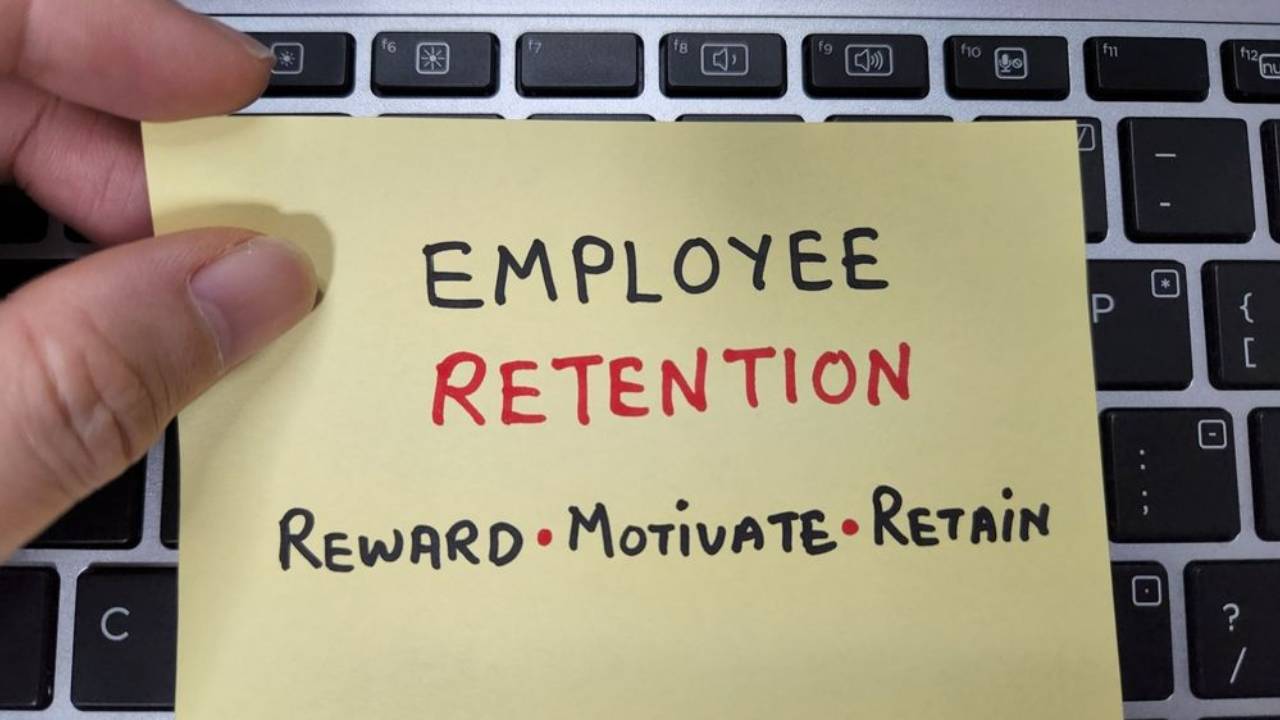
In 2026, leaders won’t just be asking how they can hire faster or find more talent; they’ll be paying more attention to keeping the people they already have. As of 2025, around one in four workers plan to leave their roles in the UK alone.
That’s not just troubling from an HR perspective. Every lost employee means lost productivity, diminished momentum, and problems with morale. It's no wonder that nearly 90% of leaders rank retention as a top priority this year. The trouble is that turnover isn’t a result of just one thing.
Employees are disappearing for various reasons, including skill gaps, issues with workplace culture, and concerns about management’s approach to wellbeing and work-life balance. So, how do leaders ensure they can hold onto their best people next year?
Key Takeaways: What Keeps Top Talent in 2026
- Economic security matters beyond salary: 89% of UK employees are dissatisfied with pay alignment to their needs. Offer emergency funds, debt assistance, and earned wage access to demonstrate genuine financial support.
- Career development drives loyalty: With 70% of job skills changing by 2030, employees need visible growth opportunities. 94% say they'd stay longer if their employer invested in their development.
- Flexible work must deliver on its promise: 87% of UK companies offer hybrid options, but success depends on outcome-based trust, not location monitoring.
- Wellbeing integration is non-negotiable. Only half of workers feel truly supported. Embed mental health resources into daily operations, not just benefits brochures.
- Purpose creates lasting connection: 73% of employers recognise/recognize that values alignment influences retention. Show employees how their work creates real impact.
The Five Pillars of 2026 Talent Retention
Anyone who has managed a team knows what happens when someone leaves. The first week is about covering their work. The second is about realising/realizing how much they knew that no one else does.
Then there’s the shift you can’t quite measure - the drop in energy, the sense that people are wondering if they should be next. Turnover doesn’t usually cause a significant financial impact all at once. It wears at the edges until things feel thinner than they should.
The reasons people decide to move on are typically spread across a few pillars:
- Money plays a part, especially when everyday costs keep climbing.
- Skills and growth are another. Jobs are changing fast. If someone cannot see a way to keep up, they will look for an employer who can help them.
- Wellbeing is often the quiet trigger. Gallup’s latest report shows only half of U.S. employees say they are thriving, the lowest number since 2009.
Then there are factors such as the growing demand for flexible work and the continued pursuit of purpose (particularly among younger employees) to consider.
Here’s what leaders need to focus on right now.
Pillar 1: Economic Security Beyond Wages/Salary
A good wage/salary will always matter. It is the foundation of any healthy working relationship. Yet by itself, it rarely keeps people for the long haul. In 2026, employees are seeking something steadier, proof that their employer values their financial well-being as much as it values quarterly results.
Companies will have to think about the practical support they can offer struggling teams, such as:
- Emergency funds for sudden expenses
- Help with student loans or debt repayment
- Access to earned pay before payday
- Financial coaching that gives people a plan they can trust
All these things demonstrate to staff that their employer wants them to feel safe, supported, and prepared to manage whatever comes next.
Pillar 2: Skills-Future Career Development
Work changes quickly now. One year, you are the person everyone goes to for help with a system, the next, that system is gone. It is not just technology moving things along; markets shift, regulations change, and whole job functions can disappear almost overnight.
Some individuals keep up by learning at their own pace. Others start to wonder how long before their skills run out of road. The World Economic Forum predicts that the skills required for most jobs will change by approximately 70 % by 2030.
Fortunately for business leaders, the link between growth and loyalty is strong. 94% of employees say they’d stay in a role longer if the company invested in their future.
Take a practical approach to your team’s growth and development:
- Make it easy to move internally rather than leave to grow.
- Offer training that feels relevant today and valuable tomorrow.
- Shape roles so work matches a person’s strengths - what HBR calls “job sculpting.”
- Show people how to work alongside AI instead of fearing it.
Growth is a kind of safety. When people feel prepared for what’s next, they stop scanning job ads for someone who might prepare them better.
Pillar 3: Flexible Work Models That Actually Work
Most companies now offer some form of flexibility. Depending on who you ask, up to 87% of UK companies offer some form of hybrid work policy. However, flexibility alone is no longer the differentiator. What matters is how well those policies really work.
Flexibility that feels human starts with trust. It is the difference between being told “you can work from home two days a week” and knowing your manager measures you by outcomes, not the hours you spend at your desk. When teams are judged on results, the location of the laptop matters less than the quality of the work.
- Set clear goals so everyone knows what good work looks like
- Use Tools and tech that make collaboration seamless
- Train leaders to manage distributed teams well
Also, be ready to experiment and adapt to discover what really works. When flexibility is genuine, it provides people with the space to balance work and life. That space is often what keeps them.
Pillar 4: Mental Health and Wellbeing Integration
Wellbeing has moved from the edges of company policies to the centre of retention. It is no longer an optional benefit. When people feel worn down, they do not just lose energy for work; they start planning their exit.
According to Deloitte, while many employees now expect businesses to invest in their well-being, 44% still don’t feel fully supported. The key to success is in embedding wellbeing initiatives deeper into the day-to-day culture:
- Managers trained to spot early signs of overload and act
- Workloads adjusted before they push people past their limits
- Mental health support embedded in benefits, not buried in a brochure
- Onboarding that supports connections and confidence.
When well-being is integrated into the way a business operates, people notice it. They work differently, recover more quickly, and have a greater reason to stay.
Pillar 5: Purpose-Driven Work and Values Alignment
Purpose is what ties people to a place. If your employees don’t believe in what your company stands for, or can’t see how they contribute to it, their loyalty starts to fade. In fact, 73% of employers in the UK believe purpose and values influence staff retention.
Purpose doesn’t have to mean solving global problems. It can mean knowing the product makes customers’ lives easier, or that the team’s work matters to the community. The point is clarity and connection.
Simple practices can keep that connection alive:
- Regularly share the impact of the team’s work, with real stories and names
- Build recognition into everyday routines, not just annual awards
- Give employees a voice in decisions that affect them
When people see their values reflected at work, they stop thinking about “the company” and start thinking about their place in it. That feeling is hard to walk away from.
Developing Your Strategy for Employee Retention
Keeping good people is rarely about one big change. It is the small, steady adjustments that add up. The trick is to start before the cracks appear.
By late 2025, it's time to take a proper look at where you stand. Not just the benefits package or the policies on paper, but how work actually feels day to day. That means listening, through surveys, and in conversations where people can speak openly. Sometimes the most useful feedback comes in the side comments, not the formal answers.
As 2026 begins, turn what you have learned into visible action. If people want more flexibility, show them what that will look like in practice. If managers need better tools to support their wellbeing, provide them with training that fits real-life situations, not just theory. Onboarding is another quiet win—done well, it can make the difference between someone staying and leaving before their first anniversary.
By mid-2026, the focus should shift to momentum. Career paths that feel real, cultural habits that reflect shared values, and learning opportunities that keep pace with change. Retention works best when people do not have to think about it. They feel like they belong.
What to Measure
Retention in the industry can be challenging to measure in real-time, so it helps to keep an eye on a few steady indicators. Some are numbers you can track easily. Others are quieter signals you only catch if you’re close enough to see them.
- NPS scores: A simple measure of whether people would recommend working here to someone they know.
- Internal mobility rates: If people are moving into new roles inside the company, they’re choosing to grow with you rather than leave.
- First-year retention rates: Fewer early exits mean onboarding and early support are working.
- Wellbeing survey trends: Even small improvements suggest the changes you’ve made are taking hold.
- Exit interview insights: When people say they’d consider coming back, it’s a sign you’ve left the door open on good terms.
Employee Retention: Your Competitive Advantage
Retention in 2026 will come from steady, visible evidence that you care for the people who make the business work. That means building stability into pay and benefits, creating clear paths for growth, offering flexibility that works in practice, making wellbeing a daily priority, and keeping purpose at the heart of the work.
For recruitment companies and HR leaders, this presents an opportunity to move beyond filling roles into shaping environments where people want to stay. Don’t underestimate the value of retaining your best people. In 2026, you really can’t afford to lose them.
John Reilly
At Reilly People we’ve been helping businesses find Marketing and Sales talent and job seekers find their ideal roles for over 30 years. If you want to find out how we can help, call me on 0203 691 0040 or email here.
The Economics of Retention - Calculating the True Cost of Employee Turnover
Most businesses don’t track turnover costs until they cost them money. One resignation leads to another, and momentum disappears somewhere between the exit interview and the hiring post.
But retention issues are more expensive than companies realise/realize. Gallup puts the national cost of voluntary turnover at around $1 trillion each year.
The cost of replacing just one employee is rarely just the recruiter’s fee or the job ad. Meetings get pushed back, time is lost to training, and internal trust takes longer to rebuild than expected. Depending on the role level, that cost can be between half and twice the employee’s annual salary.
Still, the true impact often goes unnoticed because it’s gradual. A team loses its rhythm, another project falls behind, and a manager spends weeks backfilling instead of coaching. These moments are hard to put a price on.
Retention is often described as an HR function. In practice, it’s a financial one. Here, we’ll examine turnover costs, why traditional math falls short, and how leaders can make choices that protect people and the bottom line.
Key Takeaways: What Employee Turnover Really Costs
- True replacement costs range from 50-200% of annual salary — far beyond just recruitment fees — including lost productivity, training time, and team disruption
- U.S. businesses lose $1 trillion annually to voluntary turnover, with hidden costs like delayed projects and reduced team morale often exceeding direct hiring expenses
- High-engagement companies see 21% higher profitability and 31% lower turnover through simple recognition programs and manager training
- Calculate your actual turnover cost using the formula: (Separation + Recruitment + Training + Lost Productivity) × Annual Turnover Rate
- Small retention investments deliver outsized returns — structured onboarding reduces early turnover by 40%, while recognition programs show 183% ROI
Understanding the True Cost Structure of Employee Turnover
When someone leaves your team, the effects don’t always appear in the accounts immediately. The handover is quick, a few job ads go live, and work gets divided until someone new comes in. On the surface, it all seems manageable.
What rarely gets noticed is how much that process costs—not just money but time, focus, and continuity. According to SHRM, the average cost of hiring a single employee is around £$6,700. That includes recruiter fees, background checks, and onboarding basics, but it doesn’t reflect the following weeks or months of reduced capacity.
The numbers that usually get tracked are the hard, direct costs. The quantifiable expenses that are easy to see:
- Money spent on ads, assessments, or search agencies
- Time managers and HR spend reviewing CVs and holding interviews
- Materials and support needed for onboarding or training
- Temporary staff or overtime to cover the gap
These are the visible costs. They're easy to explain in a budget meeting. But they only account for part of the total.
There’s a second layer of indirect, softer costs. That’s the cost of lost momentum. The missed handover. The pressure falls on colleagues who now carry someone else’s work and their own. These harder-to-measure losses include:
- Projects that slow down or lose direction
- Customers who notice the change and need to rebuild trust
- Teams that start to disengage because their rhythm’s been knocked off balance
- Knowledge that quietly disappears when someone walks out the door
These hidden costs often make up over half of a business's turnover. Research by Josh Bersin suggests the total cost of replacing someone can be anywhere from 1.5 to 2 times their annual salary and over 200% for senior roles.
That figure might sound high, but the math starts to make sense when you include time, productivity, customer impact, and lost expertise.
Calculating What Turnover Really Costs
One reason companies often fail to put a full number on what it costs when someone leaves is that the costs are spread across time and departments. But there is a way to get a fuller picture without looking at recruitment expenses.
The basic formula is this:
Total Turnover Cost = (Separation Costs + Recruitment Costs + Training Costs + Lost Productivity Costs) × Annual Turnover Rate
Breaking that down a little further, we have:
Separation Costs
These are the immediate outgoings of someone leaving the company. It includes any time spent on exit interviews, processing final pay, unused holiday, and sorting through benefits. Often, this involves HR and payroll teams quietly absorbing the administrative load.
- Exit interviews and documentation
- Final salary, leave, and benefits adjustments
- Offboarding admin and system access removal
Recruitment Costs
Many cost estimations stop here. Recruitment is just one part of the equation. Still, it includes real-time and spend across HR, hiring managers, and external vendors.
- Job ad placements and agency fees
- Recruiter hours
- Screening, interviewing, and assessment costs
- Background checks and onboarding scheduling
Training and Onboarding
Even the best new hire needs time to reach their full potential. There’s a curve to every new role, and it takes both time and guidance. These costs show up as slower output, training sessions, and internal mentorship.
- Time invested by trainers or supervisors
- Delayed project contributions during ramp-up
- Any tools, systems, or learning materials provided
Productivity Loss
This is where most businesses underestimate the damage. When a position sits open, work doesn’t stop; it shifts. Deadlines are missed, pressure grows, and teams often do their best with less. Over time, quality suffers, and so does morale.
- Delayed deliverables
- Temporary skill gaps
- Overstretched teams
- Client frustration or churn
Each of these areas adds weight. None of them is individually overwhelming, but they show that turnover is rarely just a staffing issue; it’s a performance one. When businesses run this calculation across a full year of departures, the cost tends to land higher than expected.
The Retention Investment ROI
Letting someone walk out the door is rarely just a staffing problem. It’s a business cost. Still, many companies only realise/realize this after the impact starts to show, lose momentum, overstretched teams, and extra hires that don’t last.
On the other hand, holding onto good people, particularly in a skills-short space, almost always saves money in the long run. Sometimes, the savings are clear. Other times, they show up more slowly in stability, trust, and consistent output.
The Case for Engagement
When people are engaged at work, they care about what they do, which shows up in results. According to Gallup, organisations with highly engaged teams are about 21% more profitable than others. That number reflects fewer mistakes, lower absenteeism, and teams that support each other rather than cope.
Recognition also matters. According to several workforce studies, companies that acknowledge contributions tend to see lower voluntary turnover, about 31% lower. It doesn’t need to be flashy. Sincere thanks and meaningful feedback go further than most budgets do.
What the Numbers Say
Let’s put it into perspective. These are examples drawn from research:
- A formal recognition program, done well, can return an average of 183% ROI, mostly by reducing churn.
- Professional development has been linked to 25% higher productivity, particularly when ongoing and practical.
- Structured onboarding can cut early turnover by 40%, simply by helping people settle in with less confusion and more clarity.
The formula for retention ROI looks like this:
ROI = (Total Benefits – Total Investment) ÷ Investment × 100
That sounds clinical. In practice, it just means asking what you gained from keeping someone, and comparing that to what you spent helping them stay.
Longer-Term Gains
There’s more to this than dollars. When people stay, they build relationships with clients, each other, and the systems they work in daily. That’s knowledge you don’t want to lose. It’s not easy to measure, but it’s often what separates a steady team from a spinning one.
A thoughtful retention plan protects more than payroll. It protects consistency, trust, and reputation. Those are things that money alone can’t buy back once they’re gone.
Practical Implementation Guide: Where to Start
Most teams don’t set out to ignore retention. It just slips down the list when things get busy. A departure here, a rushed hire there, and the cost builds slowly until someone takes a step back and adds it all up. When that happens, the question becomes simple: where should we start?
A good retention plan doesn’t need to fix everything overnight. It needs to focus early on the areas that make the biggest difference.
Look at What Turnover Is Really Costing
Start by running the numbers. Not to understand what’s at stake.
- Measure your current annual turnover rate.
- Apply the cost formula shared earlier in this guide.
- Notice where the patterns show up: is turnover heavier in certain roles, or at specific points in the employee journey?
These numbers help shift conversations from assumptions to evidence.
Focus Your Efforts Where They Count
Some actions are expensive. Others aren’t. Focus on the second group first, the ones that create steady value without needing major investment. For instance:
- Make feedback part of the rhythm, not an event. Let people know when their work is valued.
- Be clear about growth paths, even if promotions are rare.
- Review pay with fresh eyes. Check whether expectations still match what’s offered.
- Offer flexibility where you can. The way people work has changed; structure doesn’t always mean rigidity.
- Train managers. Often, people leave jobs, but they leave managers first.
The goal here is consistency. Even small, well-kept promises build trust over time.
Start Measuring More Intentionally
Once changes are in motion, start tracking what you’re learning.
- Use stay interviews to understand why people stay, or why they might be thinking about leaving.
- Monitor engagement in regular, low-pressure ways.
- Watch turnover numbers over time and connect them to your changes.
The right measurements don’t just show whether a strategy is working; they also help shape what to try next.
Keep the Bigger Picture in Mind
Not every fix will work the first time. Retention is less about solving problems quickly and more about building lasting relationships. If the foundation is there—respect, clarity, and trust—most people will give their work and their employer the benefit of the doubt.
Retention Is a Financial Strategy and a Human One
Turnover in the industry isn’t just a line in a budget. It’s a person leaving, a team adjusting, or a role left open while others take on more. That’s why understanding the cost matters—not to make it about money alone but to show what’s at risk when people walk out the door.
When leaders start considering retention as a strategic investment, things begin to shift. Conversations get clearer. Priorities get sharper. Instead of reacting to exits, organisations plan around staying, building systems that support performance, trust, clarity, and long-term alignment.
There’s no one-size-fits-all solution. Some teams will focus on better onboarding, while others may rework recognition or shift how managers lead. The important part is starting—not with a perfect plan but with a commitment to paying attention to what’s working, what people need, and what it really costs to start over.
Because most of the time, the cost of keeping a good person isn’t nearly as high as the cost of losing them.
John Reilly
At Reilly People we’ve been helping businesses find Marketing and Sales talent and job seekers find their ideal roles for over 30 years. If you want to find out how we can help, call me on 0203 691 0040 or email here.
Smart Interview Questions That Reveal True Candidate Fit and Purpose


Often, a candidate who looks fantastic on paper appears in your hiring/recruiting pool. They have all the credentials you’ve been looking for, maybe they have even done the job before, and their references check out. Everything seems to line up until they start.
Then, within a few weeks, you notice that something feels off. The energy’s not there. They always seem distracted or unprepared. Sometimes they even clash with other team members. By the end of the quarter, they’re gone.
What You'll Learn
-
12 strategic interview questions organized into four categories—job fit, cultural alignment, motivational drivers, and long-term commitment—that reveal whether candidates will thrive in your role beyond day one
-
Why 66% of HR executives cite retention as their biggest challenge in 2025, and how asking the right questions during interviews can prevent costly early turnover before it starts
-
How to assess three critical dimensions of fit—technical capability, cultural compatibility, and motivational alignment—that determine whether new hires stay engaged or disengage within months
-
Practical question frameworks that move beyond credentials to uncover what truly motivates candidates, how they work best, and whether your role can deliver what they need to succeed
This happens more often than most people admit and costs more than time. Team trust suffers, momentum stalls, and your hiring strategy is back to square one.
Lately, the issue has become even more common. In 2025, 66% of HR executives say retention is still their biggest challenge. Companies can’t solve this problem with intuition alone. A strong CV/resume won’t tell you what motivates someone or how they really think. You need to ask the right questions.
Understanding Fit and Motivation in Hiring
When a hire doesn’t work out, you’ll first hear that the job just wasn’t the right “fit”. Sometimes, employees give up straight away, realising/realizing they can’t mesh with the culture. Others spend months trying to make things click. Either way, you end up with a gap in your team.
Poor “fit” can really mean multiple things. Sometimes, the problem is the job itself. Someone might have the experience and ability to do the work technically, but they have trouble following your processes or need more direction than you can give.
Other times it’s the culture. 74% of employees feel demotivated by poor cultural fit. They can’t communicate and connect well enough with their team and managers, so they start to disengage, and conflict starts to happen more than cohesion.
Another issue—often the hardest to see and the most impactful—is a lack of motivational fit. It’s about what keeps someone going, what they care about, and what they need from work to feel like it matters. That might be purpose, learning, stability, creativity, recognition, room to grow, or something they hope to find here. If that part’s missing, the rest won’t hold.
That’s usually what “fit” means. Three things, more or less:
-
Are they set up to do the work well?
-
Can they work well with the people around them?
-
Do they actually want to be here?
We don’t always ask those questions directly. It’s easier to talk about background, strengths, tools, and results. But if all the pillars of “fit” aren’t in place, the rest falls through.
The Top Questions for Assessing Candidate Fit and Motivation 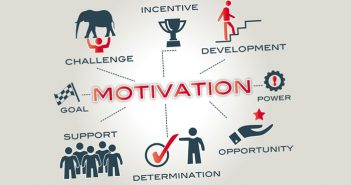
The easiest way to solve the fit problem before it starts dragging down your team, or costing you more in hiring and retention strategies, is to ask the right questions. You can break those questions into four categories: job fit, culture fit, motivational fit, and long-term fit.
Category 1: Job Fit Assessment Questions
Sometimes the mismatch shows up right away. The person gets the job and starts strong, but a few weeks in, things feel slow. They’re doing the work, but it’s not clicking. Or they’re asking many questions that suggest they pictured something different. You notice it in how they talk about their day. You notice how they don’t quite settle into the rhythm.
That’s usually a job fit issue. It's not a question of capability, just whether the way someone works aligns with what the role needs.
Some people want variety, others want depth. Some thrive with a clear process and a reliable routine, while others want room to build their own way of doing things. Most roles can’t offer all of that.
Here are the questions that will help bring job fit into focus:
"Describe your ideal work environment and the conditions that help you be most productive"
This question opens the door to how someone works best, not how they think you want them to work. You’ll often hear about pace, communication, independence, structure, quiet, and chaos. It’s not about judging the answer. It’s about hearing whether that productivity version fits the environment you can offer.
“Walk me through a typical day or week in your current role. What parts of it energise you most?”
You’re not just looking for a job description here. You’re listening for what they lean toward, what they skip over, and what they get excited to talk about. That’s where the energy is. You’re trying to understand how much of what they enjoy is present in the job you’re hiring for.
"Tell me about a time you had to adapt your work style to meet changing requirements."
Jobs shift. Priorities change. So much job fit comes down to whether someone can adjust without losing momentum or morale. This question helps you see how a candidate responds to change, their baseline style, and whether they’ve had to stretch before.
Category 2: Cultural Fit Assessment Questions
Some people join a team and fall into step. The conversations make sense. The way things move, the decisions, the meetings, and the pace all feel familiar. They’re not trying to adjust. They just started working. 
Other times, you can feel the strain early on. There’s hesitation. A few missed signals. They might not say anything, but something’s off. You can sense it in how they talk during check-ins. Or how they hold back in group settings. Or how they never quite seem comfortable.
That’s cultural fit. Or the lack of it. It doesn’t mean someone’s wrong for the role. It just means the way they prefer to work isn’t lining up with how your team actually works.
You can’t spot this mismatch from a resume, but you can see it in the answer to a few questions:
"Tell me about a work environment where you felt you belonged."
The word “belonged” usually shifts the answer. People stop summarising/summarising and start describing. You’ll hear things like, “I didn’t have to explain myself all the time,” or “They trusted me from day one,” or “We could disagree without it turning tense.” Those revelations tell you something valuable.
"How do you like to receive feedback?"
Everyone says they’re open to it. That’s not the point. You’re listening to how they’ve been supported before. What landed. What stuck. Some people need space. Others want directness. You want to know whether your team’s way will work for them.
"Think of a time you disagreed with your team. What did you do?"
This one’s not about the outcome. It’s about the tone. Can they hold their view without steamrolling others? Can they stay connected when it’s hard? Can they speak up without needing to be right? You’re listening for emotional steadiness here, not just strategy.
 Category 3: Motivational Drivers Questions
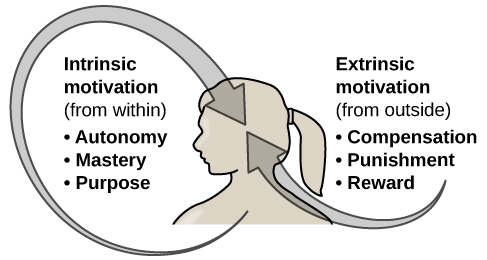
Most people in the industry want to do good work. The harder thing to figure out is what makes the work feel worth doing for them.
That’s what motivation is. It’s not just energy. Its direction. It’s what pulls someone toward a certain kind of work, or a certain kind of team. Sometimes it’s learning. Sometimes it’s stability. Often, lately, it’s been part of something they believe in.
Whatever it is, if that piece doesn’t line up with the role, everything starts to drag. Tasks take longer. Feedback hits differently. Things feel heavier than they should.
Here are three questions that help define motivation:
"What parts of your work have felt most fulfilling?"
Fulfilling is a useful word. It invites more than achievement. People talk about moments that stuck with them. It's not always big wins; sometimes something small matters to them for reasons they didn’t expect. Listen closely here. The details often say more than the headline.
"Tell me about a project you're proud of. What made it meaningful?"
This one gets at values. The kind employees feel when they do things that align with their moral compass and priorities. It might have an impact. Or ownership. Or being trusted. If that part shows up in your hiring job, you’re in good shape. If not, it’s something to talk about.
"What would make you leave a role within the first six months?"
It’s a tough question, but a fair one. Everyone has a limit. Some answers will be about management. Some about the workload. Some about purpose. The point isn’t to talk them out of it. The fact is to understand whether the job, as it really is, crosses any of those lines.
Category 4: Long-term Alignment Questions
It’s one thing for someone to be a good fit today; it’s another for the fit to be sustained over time.
Sometimes, the shift happens quickly. They take the role thinking it’s a stepping stone. Or a fix. Or a reset. But by the time they’re six months in, they’re restless.  Not because anything’s gone wrong, exactly. Just because what they were looking for and what the job offers turned out to be were different things.
Other times, it takes longer. A year in, the work starts to feel flat. Or they’re still waiting for opportunities that never came. It’s not about ambition or patience. It’s about whether the career path they’re on matches the one you can offer.
Here’s what to ask:
"Where do you see your work going in the next few years?"
You don’t need a five-year plan. You want to hear how they think about direction. What they’re curious about. What they’d like to grow into. Some will name a skill, some a role, and others a team or challenge. The details matter less than whether their answer fits what’s real for your organisation. If it doesn’t, it's better to see that now.
"What kind of manager brings out your best work?"
This tells you more than just preference. It gives you a sense of what kind of support they expect and whether your current structure can provide it. If they need daily coaching and your team works independently by design, it’ll shape how the whole experience feels.
"If you were in this role a year from now, what would tell you it's been a good fit?"
This one helps surface quiet expectations. Some people talk about outcomes: projects launched, goals hit. Others talk about relationships, or how they’ve felt showing up to work each day. Either way, you’re getting a window into what success means to them, and whether that version of success is something this role is built to offer.
Hiring for More Than Day One
A good interview doesn’t predict everything. People change. Teams evolve. Roles shift. There’s always some uncertainty. But the clearer you are about the work, the team, and what the person in front of you really wants, the better your chance of making a hire that holds.
These twelve questions won’t fix every challenge. What they can do is give you language—a way to slow down, step past the surface, and talk about what makes work feel meaningful and what makes it last.
That’s where the real value is. Not just in who can do the job. In those who will care enough to keep doing it, even when the work gets hard.
John Reilly
About Us
Reilly People is a professional Search and Select recruitment firm specialising in Media, Marketing & Events - established in 1993.
We recruit up to board level in: Marketing; Sales and Business Development; Marketing Analytics; Conference and Event Production and Management. In more than three decades in business, using our industry knowledge and management experience we’ve placed candidates throughout the UK and all over the world, including EMEA; USA and Asia Pacific.
About John Reilly

From a media sales career in London with Capital Radio; LBC; and latterly Kiss FM as Head of Sales, I established Reilly People in 1993 to offer the recruitment service I wish I’d received as an employer: a mature approach from an experienced manager to help Businesses hire talent without diverting time trawling through scores of CVs and interviewing a dozen hopefuls.
I’ve always utilised the latest tools from a rolodex to AI, which has included building, over decades, a large, targeted LinkedIn network. Yet the principles remain the same: clearly understand what you, the employer wants, and sometimes use my experience to help you define that; then deliver it with as little fuss as possible.
I focus on Marketing; Sales and Analytics roles with a variety of commercial companies, including Media and Events businesses.

“I have been working with John for many years and I have been so impressed by his ability to understand perfectly the type of profiles I am looking for. Today I have got two sales stars in my team and both have been headhunted by John. He is an expert when it comes to find the needed skills for your vacancy but also to get the perfect match for our company’s culture.
I highly recommend any media or events companies to work with John!”
Adrien Collilieux, Group Event Director – CloserStill Media
At Reilly People we’ve been helping businesses find Marketing and Sales talent and job seekers find their ideal roles for over 30 years. If you want to find out how we can help, call me on 0203 691 0040 or email here.
Category 1: Job Fit Assessment Questions
Sometimes the mismatch shows up right away. The person gets the job and starts strong, but a few weeks in, things feel slow. They’re doing the work, but it’s not clicking. Or they’re asking many questions that suggest they pictured something different. You notice it in how they talk about their day. You notice how they don’t quite settle into the rhythm.
That’s usually a job fit issue. It's not a question of capability, just whether the way someone works aligns with what the role needs.
Some people want variety, others want depth. Some thrive with a clear process and a reliable routine, while others want room to build their own way of doing things. Most roles can’t offer all of that.
Here are the questions that will help bring job fit into focus:
“Describe your ideal work environment and the conditions that help you be most productive.”
This question opens the door to how someone works best, not how they think you want them to work. You’ll often hear about pace, communication, independence, structure, quiet, and chaos. It’s not about judging the answer. It’s about hearing whether that productivity version fits the environment you can offer.
“Walk me through a typical day or week in your current role. What parts of it energise you most?”
You’re not just looking for a [sector] job description here. You’re listening for what they lean toward, what they skip over, and what they get excited to talk about. That’s where the energy is. You’re trying to understand how much of what they enjoy is present in the job you’re hiring for.
“Tell me about a time you had to adapt your work style to meet changing requirements.”
Jobs shift. Priorities change. So much job fit comes down to whether someone can adjust without losing momentum or morale. This question helps you see how a [sector] candidate responds to change, their baseline style, and whether they’ve had to stretch before.
Category 2: Cultural Fit Assessment Questions
Some people join a team and fall into step. The conversations make sense. The way things move, the decisions, the meetings, and the pace all feel familiar. They’re not trying to adjust. They just started working.
Other times, you can feel the strain early on. There’s hesitation. A few missed signals. They might not say anything, but something’s off. You can sense it in how they talk during check-ins. Or how they hold back in group settings. Or how they never quite seem comfortable.
That’s cultural fit. Or the lack of it. It doesn’t mean someone’s wrong for the role. It just means the way they prefer to work isn’t lining up with how your [sector] team actually works.
You can’t spot this mismatch from a resume, but you can see it in the answer to a few questions:
“Tell me about a work environment where you felt you belonged.”
The word “belonged” usually shifts the answer. People stop summarising/summarising and start describing. You’ll hear things like, “I didn’t have to explain myself all the time,” or “They trusted me from day one,” or “We could disagree without it turning tense.” Those revelations tell you something valuable.
“How do you like to receive feedback?”
Everyone says they’re open to it. That’s not the point. You’re listening to how they’ve been supported before. What landed. What stuck. Some people need space. Others want directness. You want to know whether your team’s way will work for them.
“Think of a time you disagreed with your team. What did you do?”
This one’s not about the outcome. It’s about the tone. Can they hold their view without steamrolling others? Can they stay connected when it’s hard? Can they speak up without needing to be right? You’re listening for emotional steadiness here, not just strategy.
Category 3: Motivational Drivers Questions
Most people in the [sector] industry want to do good work. The harder thing to figure out is what makes the work feel worth doing for them.
That’s what motivation is. It’s not just energy. Its direction. It’s what pulls someone toward a certain kind of work, or a certain kind of team. Sometimes it’s learning. Sometimes it’s stability. Often, lately, it’s been part of something they believe in.
Whatever it is, if that piece doesn’t line up with the role, everything starts to drag. Tasks take longer. Feedback hits differently. Things feel heavier than they should.
Here are three questions that help define motivation:
“What parts of your work have felt most fulfilling?”
Fulfilling is a useful word. It invites more than achievement. People talk about moments that stuck with them. It's not always big wins; sometimes something small matters to them for reasons they didn’t expect. Listen closely here. The details often say more than the headline.
“Tell me about a project you’re proud of. What made it meaningful?”
This one gets at values. The kind employees feel when they do things that align with their moral compass and priorities. It might have an impact. Or ownership. Or being trusted. If that part shows up in your hiring job, you’re in good shape. If not, it’s something to talk about.
“What would make you leave a role within the first six months?”
It’s a tough question, but a fair one. Everyone has a limit. Some answers will be about management. Some about the workload. Some about purpose. The point isn’t to talk them out of it. The fact is to understand whether the job, as it really is, crosses any of those lines.
Category 4: Long-term Alignment Questions
It’s one thing for someone to be a good fit today; it’s another for the fit to be sustained over time.
Sometimes, the shift happens quickly. They take the role thinking it’s a stepping stone. Or a fix. Or a reset. But by the time they’re six months in, they’re restless. Not because anything’s gone wrong, exactly. Just because what they were looking for and what the job offers turned out to be were different things.
Other times, it takes longer. A year in, the work starts to feel flat. Or they’re still waiting for opportunities that never came. It’s not about ambition or patience. It’s about whether the [sector] career path they’re on matches the one you can offer.
Here’s what to ask:
“Where do you see your work going in the next few years?”
You don’t need a five-year plan. You want to hear how they think about direction. What they’re curious about. What they’d like to grow into. Some will name a skill, some a role, and others a team or challenge. The details matter less than whether their answer fits what’s real for your organisation. If it doesn’t, it's better to see that now.
“What kind of manager brings out your best work?”
This tells you more than just preference. It gives you a sense of what kind of support they expect and whether your current structure can provide it. If they need daily coaching and your team works independently by design, it’ll shape how the whole experience feels.
“If you were in this role a year from now, what would tell you it’s been a good fit?”
This one helps surface quiet expectations. Some people talk about outcomes: projects launched, goals hit. Others talk about relationships, or how they’ve felt showing up to work each day. Either way, you’re getting a window into what success means to them, and whether that version of success is something this role is built to offer.
The Psychological Contract: Building Trust When 20% of your Staff Are Planning to Quit


It’s not just finding the right candidates that’s a challenge for business leaders anymore. It’s keeping them. People are increasingly drifting away from the roles they used to love.
The disengagement isn’t obvious at first. A colleague might talk less in a meeting, or someone starts updating their LinkedIn profile more often. Maybe a good employee who used to go the extra mile now only hits the finish line.
Leaders assume their employees are tired or a little extra stressed, but they’re thinking about quitting.
Many will leave for something that’s harder to put into words. A feeling that things don’t quite line up anymore.
That’s the psychological contract.
It’s the part of the job that’s not in writing but shapes everything. When its strong, people stay. When it breaks, they start looking for a way out, even if the formal contract remains intact. Once people start pulling away, it’s hard to bring them back.
What You'll Learn:
- Why employees quit despite stable contracts: The psychological contract—unwritten expectations about trust, support, and workplace treatment—drives 20% of workers to plan exits when breached
- The hidden cost of broken trust: Psychological contract violations trigger burnout, disengagement, and productivity losses costing businesses £450-550 billion annually through absenteeism and turnover
- How to rebuild and strengthen workplace trust: Practical strategies including transparent communication, consistent leadership behaviours, managing change with empathy, and HR's strategic role in aligning expectations with reality
- Early warning signs before resignation: Recognize when employees mentally disengage through subtle behavioural changes like reduced participation and increased LinkedIn activity
Understanding the Psychological Contract
The psychological contract isn’t something most executives talk about. There’s no space for it on the onboarding checklist. It doesn’t show up in handbooks or HR dashboards. Still, it exists.
The formal contract an employee gets lays out what they’re paid for. The psychological contract shapes how they feel about giving their energy, time, and effort to the work.
The psychological contract is the part of the job that lives between the lines. It’s built on what people believe they agree to when they take a role, not just in terms of duties or pay, but how they expect to be treated, supported, and seen.
It starts early, sometimes before an interview is even booked. A company’s tone online, the way someone is spoken to in a screening call, and even how quickly a question is answered all shape what the person begins to expect. They build a picture of how things work in your business. That picture gets clearer or cloudier through onboarding, team dynamics, and how feedback is handled.
The challenge is that much of it stays hidden. Managers often don’t know what their team is thinking. Leaders may believe they’ve been clear when they haven’t. Employees may hold back questions for fear of seeming ungrateful. Over time, a gap can grow.
It’s helpful to picture it like an iceberg. The visible part of the written job description, the title, and the benefits, is only a small piece. The rest is submerged: all the things left unsaid but still expected. When those expectations aren’t met or change without explanation, trust cracks.
Left alone, the crack deepens, and valuable employees start dropping away.
The High Cost of Psychological ‘Contract Breaches’
81% of employees expect their employees to build trust at work, but most don’t get what they ask for. Small breaches of the psychological contract build up. A manager asks someone to stay late again, a development plan is postponed, or an opportunity disappears.
Your staff member might not say anything at first, but beneath the surface, they’re starting to question you and the role. They stop stepping up and offering ideas and start stepping back.
The research on this is steady. When people feel their expectations haven’t been met, they’re more likely to burn out. They become less committed, less engaged. Many start planning their next move. Others stay, but it’s not the same kind of staying.
There’s a cost not just in turnover but in the weight people carry when trust slips: increased stress, sleep loss, and a sense of unease that follows them into the weekend. Studies show a clear link between breaches and anxiety, exhaustion, and low morale.
Companies feel it, too—in missing knowledge, slower decisions, and the silence that settles during team meetings. Gallup puts the price of disengagement somewhere between £/S450 and £/$550 billion a year. It shows up in absenteeism, low productivity, and teams that once worked well together now feeling disconnected.
Building Trust Through Psychological Contract Management
Most of the time, trust doesn’t fall apart all at once. It frays. A few unclear expectations here, a broken promise there. A manager means well but says too little. Someone keeps their head down and stops asking for more.
The contract is still there; it just feels thinner. Rebuilding it or strengthening it before it starts to wear usually means going back to basics.
Talking Clearly, Listening Fully
Expectations are often vague until they aren’t met. That’s when someone realises/realizes they had one. That’s also when trust starts to slip.
Most of this can be avoided by saying more at the start—not just about what the role is but also about what it feels like to work with your business, what’s flexible, what isn’t, and what’s still in flux. These details matter more than people think.
It also helps to ask questions that give you a clearer view:
- “What does support look like for you?”
- “Is anything surprising you about the role?”
- “Has anything shifted in what you need?”
People don’t always know how to bring these things up. Most won’t, unless they’re asked. It helps to have spaces where employees can speak freely. Let them submit concerns anonymously, or pair them with a mentor, or a workgroup they can talk to.
Building Trustworthy Leaders
Trust between employees and a company often hinges on their relationship with their leaders. Managers don’t necessarily need all the answers, but they need to follow through on what they say, share what they know, and stay honest.
Leaders should be:
- Admitting when something didn’t go to plan
- Checking in without a meeting request
- Treating people’s time with care
- Applying rules the same way to everyone
They also need to be committed to regular feedback. That means acknowledging employees' hard work, even if it’s just with a quick note, giving people opportunities for growth and development, and helping them take the next step forward.
Managing Change
Even in a stable company, things change. Roles shift, and structures evolve. A good idea today might look different six months from now.
What people want in those moments isn’t perfection. It’s clarity. Some acknowledgements that what was said then might not hold now, and that this isn’t being hidden or brushed off.
It’s tempting to delay those conversations. To wait until you “have more information.” That silence can cost more than uncertainty ever would.
If something promised can’t be delivered, say so. Say why. Be honest about what’s still true and what isn’t. People might be disappointed, but they’re far more likely to stay if they feel included. When breaches in the psychological contract occur because of change:
- Explain the reasoning behind it
- Share a timeline and strategy for fixing the issue
- Show empathy and compassion (don’t be defensive)
Focus on negotiating or renegotiating the deal so it works for everyone.
HR’s Strategic Role in Psychological Contract Management
The psychological contract doesn’t live in policies, but HR often sits closest to where it begins. Job ads, onboarding, role design, training. These are the places where expectations take root.
If HR isn’t watching closely, it’s easy for the formal and informal to drift apart. Official promises go one way, and lived experience goes another. Often, no one notices until someone starts pulling away.
Getting ahead of that means doing the slow work. Checking whether the stories told through hiring conversations, internal messaging, and benefits language match reality. If they don’t, update the script.
HR teams in businesses can do this in a few ways:
- Look again at job descriptions. Note what they say and what they imply.
- Make onboarding honest. If something’s not perfect, say so. People trust transparency.
- Train managers to listen for the unsaid. The pause before a “yes.” The smile that doesn’t quite match the words.
It also helps to treat the psychological contract less like a concept and more like a lens—not “one more thing” to manage, but the lens you use to notice where trust is holding and where it’s starting to strain.
Closing the Gap Between Expectation and Experience
The psychological contract isn’t something you can hold. There’s no file for it, no formal record. Yet it shapes whether people show up with energy, or protect themselves from disappointment. Whether they go all-in or start planning an exit.
What makes the biggest difference for teams isn’t a single conversation. It’s consistency, clarity, and following through. Making space to ask, “What were you hoping this would be?” and listening to the answer.
When trust is looked after like this, it doesn’t just keep people from leaving. It also ensures that they stay motivated, passionate, and engaged when they stay.
John Reilly
At Reilly People we’ve been helping businesses find Marketing and Sales talent and job seekers find their ideal roles for over 30 years. If you want to find out how we can help, call me on 0203 691 0040 or email here.
Why You Can’t Find the Right Candidates for your Events Business, and How to Fix It


Recruitment in Events right now is a challenge. CVs and applications might pour in for every job listing you post. But after two rounds of interviews, a few assessments, and more “we’ll get back to you” emails than you’d like to admit, you might realise something.
No one quite fits your mould for the perfect candidate.
You’re not alone. 75% of employers say they struggle to find the right candidates – even as their inboxes overflow with applications.
Welcome to the Great Mismatch, where job openings and job seekers are both on the rise, but somehow, nothing is aligned. The problem isn’t a lack of people. There’s a growing gap between the skills businesses need and the skills candidates bring.
According to McKinsey, a staggering 87% of companies are already dealing with or expecting significant skills gaps shortly.
Here’s what is happening.
The Root Causes of the Skills Mismatch
The talent and hiring shortages Events companies face today aren’t due to people “not wanting to work” or Gen Z culture problems.
The skills mismatch isn’t anyone’s fault, but it is everyone’s problem.
The gap between what companies need and what candidates can do is growing wider, and if we want to fix it, we must get real about why it’s happening.
So what are some of the root causes?
Tech is Moving Faster
The shelf life of a hard skill these days is about five years and shrinking. That course someone took in 2020 is probably already out of date. The platforms your team relies on today didn’t even exist ten years ago. AI, automation, cloud computing, and data analytics skills are becoming crucial – but there aren’t enough people who have them yet.
Schools Weren’t Built for This Pace
Traditional education isn’t keeping up. Universities and training programs produce graduates with degrees, but not always with the practical, job-ready skills employers need.
Systems designed for slow, stable economies are trying to serve a workforce where Events jobs are being created and reinvented in real time. According to the World Economic Forum, up to 59% of workers worldwide must retrain by 2030.
Economic and Market Pressures
Economic volatility isn’t helping. We have uncertain inflation rates, shifting trade policies, wage pressure, labour shortages in some sectors and oversupply in others.
Many businesses are pausing on long-term hiring plans. Others are hiring cautiously, with painfully specific requirements. Then there are geographic mismatches: the person with the exact skills you need might live in a different time zone entirely and might not be willing (or able) to relocate.
Industries evolve. That’s not new. But lately, it feels like they’re doing it overnight. Healthcare jobs now require digital skills. Manufacturing is becoming more automated. Marketing is data-driven.
How to Address the Skills Mismatch: Top Strategies 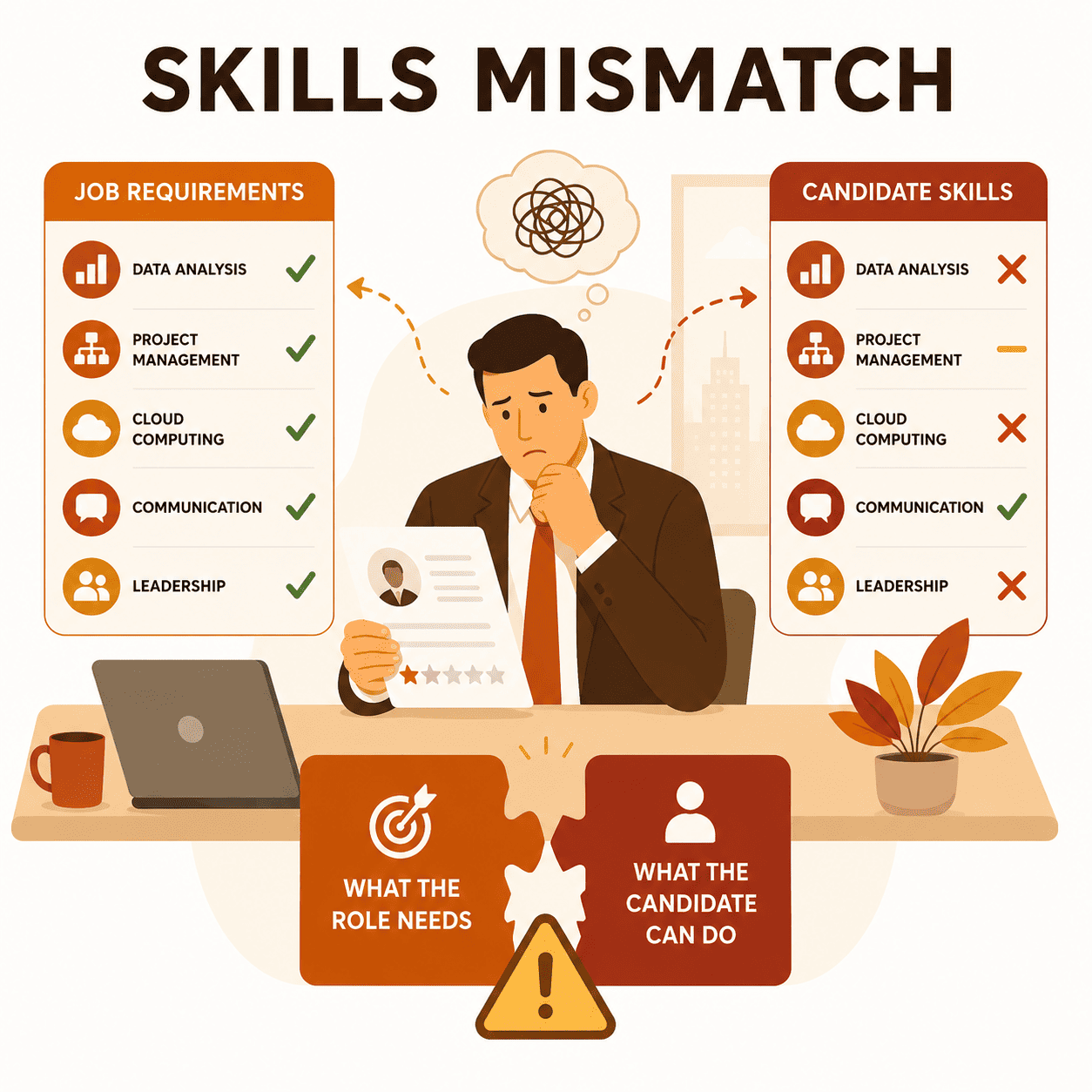
When you can’t find the right Events talent, everything slows down, and the costs start stacking up.
Unfilled roles mean stalled projects, missed revenue, and heavier workloads for the still-standing team. Every month, a position stays vacant, reducing productivity, slipping deadlines, and causing your team to stretch thinner. Morale suffers, and burnout creeps in. Your best people start looking elsewhere.
Here’s the good news: the skills mismatch might feel overwhelming, but it’s not unfixable.
You don’t have to reinvent the wheel. You need to stop relying on the one that’s no longer working.
What can you do to handle this? Here are some ideas that are working now.
Culture-fit and Attitude Trump Exact Skill-Matches
Thirty years ago an experienced recruiter told me her formula for success: ‘Hire for Attitude, Train for Skill’. It’s something I’ve never forgotten. Of course there are requisite skills, but what about those ‘nearly’ candidates? How long would it take to get them where they need to be? Probably shorter than keeping the search going for the ideal hire.
And if someone does emerge with the perfect skill match, might you be tempted to overlook something that could cause an issue down the line?
You’re more likely to get buy-in, appreciation and less churn from people you invest in. How much is that training course again? Probably less than an empty seat for another two months. But you must be sure your interview process can discern an applicant’s native intelligence (not always shown by exam results); willingness to learn; character; and their attitude to work and career development.
Culture-fit is vital. You’re building a team. We’re all influenced and affected by colleagues so it’s important new additions fit, and buy into, your culture, mission and goals. This is only likely to happen if you communicate them clearly at interview.
Use modern assessment platforms to measure real-world skills, from software ability to problem-solving and communication. During interviews, ask candidates to walk you through how they’d handle challenges your team faces.
Expand Your Talent Pool
If you’re only looking in the same places, it’s no wonder you're finding the same results. One reason the Events skills gap feels so insurmountable is because most companies are fishing in very small ponds, same platforms, same requirements, same networks.
Look for transferable skills from other industries. A retail manager might have top-tier leadership and customer service abilities that translate beautifully into ops or support roles.
- Reconsider the “non-traditional” candidate: career switchers, bootcamp grads, parents returning to work, or people from adjacent roles who are ready to grow.
- Embrace remote and hybrid talent. The best person for the job might not live within 50 miles of your office, so give them flexibility.
- Partner with local schools, workforce programs, or industry bootcamps to build a forward-looking pipeline.
- Connect with passive candidates, people who aren’t job hunting, but who might be open to the right opportunity if approached thoughtfully.
 Invest in Upskilling and Reskilling
The Events talent you need might already be sitting in your office.
Instead of endlessly searching for external hires, what if you looked inside your company and asked: Who has the foundation to grow into this role?
Upskilling (building on current skills) and reskilling (teaching someone something new) are lifelines. According to the World Economic Forum, 95% of at-risk workers could be retrained for future roles cost-effectively. Here’s how you can start:
- Identify roles with high turnover or persistent vacancies.
- Map which adjacent skills your team already has; your data analyst might have the chops to become your next business intelligence lead.
- Partner with platforms like Degreed, Coursera, or LinkedIn Learning to offer curated, job-relevant training.
- Launch mentorship programs that connect experienced staff with high-potential learners.
- Make learning part of the culture.
Training isn’t just a retention tool; it’s also a growth strategy.
Optimise Your Recruitment Process
Sometimes the problem isn’t the talent. It’s the process.
You may be offering the best job in the world, but if your application takes 40 minutes, your interview loop drags on for weeks, or you go dark after the final round, great candidates will walk.
You need a clear, fast, and respectful hiring process to attract and retain top Events talent, especially in a competitive, skills-short market.
- Streamline your application process. Remove the lengthy forms. Applying is too long if it takes longer than an hour.
- Use AI tools wisely. Let automation handle the tedious stuff (like initial screening), but make sure a human is still in the loop.
- Use a recruiter who understands your market. Recruiters have an up-to-date CRM and know which candidates have the skills, saving you weeks of time.
- Be clear about skills in your job descriptions. Use plain language, highlight what success looks like, and cut the fluff (looking at you, “rockstars” and “ninjas”).
- Structure your interviews. Use the STAR method (Situation, Task, Action, Result), and evaluate candidates based on consistent, skill-relevant criteria—not gut feel.
- Give feedback, even when it’s a no. It leaves a lasting impression and helps candidates grow. (It’s also just the decent thing to do.)
Your hiring process is part of your employer brand. Make sure it sends the message you want.
Solving the Skills Mismatch
The skills mismatch will not disappear on its own. But with the right strategy, it is solvable.
The companies that succeed tomorrow are the ones making smart moves today. They’re investing in their people. They’re hiring based on what someone can do, not just what’s written on a diploma. They’re building flexibility into their hiring systems, and adaptability into their culture.
So, where do you start?
Run that skills audit, think about what attitudes and ambitions you want to import into your business, and talk to your team about what growth looks like for them. Small shifts lead to big results.
And if you’re ready to build a more resilient, future-ready workforce that can handle what’s next, no matter what that looks like, we’ve got your back.
Let’s close the gap.
John Reilly
At Reilly People, we’ve been helping events businesses find talent, and event job seekers find ideal roles, for more than 30 years. And we’re friendly! Call for more information on these ideas on 0203 691 0040 or email here.
Building Resilience In Your Marketing Team: Creating Stability When Economic Signals Are Mixed


If you've felt like the economic signals this year are sending mixed messages, you’re not alone. Global growth is forecast to slow to just 2.3% in 2025. At the same time, the Economic Policy Uncertainty Index just hit its highest mark this century.
This uncertainty leads to tension inside Marketing teams, as staff start to ask questions.
- Is the company okay?
- Is my job stable?
- What does this mean for me?
No wonder “resilience” has become the year's buzzword. In 2024, the use of that word among Fortune 500 companies shot up by 200% in earnings calls. But just because business leaders are prioritising/prioritizing resilience, doesn’t mean they’re feeling it. Around 84% of companies don’t feel equipped to deal with the uncertainty they face.
The truth is, building team resilience isn’t just about surviving economic confusion. It’s about unlocking long-term stability and a competitive advantage by investing in people, transparency, and leadership that leads with heart.
Understanding Team Resilience in an Economic Context
Team resilience in the Marketing industry isn’t just about bouncing back. It’s about bouncing forward. It’s that rare ability to meet uncertainty with clarity, regulate stress in healthy ways, and move from “What now?” to “Here’s what we’ll do.”
The benefits of that shift are massive. According to Harvard Business Review, companies with resilient cultures outperform their peers by 8% in productivity gains during economic slowdowns. But achieving true resilience is getting tougher in today’s financial landscape.
Inflation still looms. Banks are being cautious and restricting lending criteria. Global trade is rocky. Plus, we’re watching an enormous workforce transformation unfold. By 2030, an estimated 92 million jobs could be displaced by AI and automation (though 170 million new ones will be created).
Most teams aren’t prepared. Only 23% of employees feel equipped with resilience and adaptability skills, according to research by McKinsey.
So, what’s holding organisations/organizations back?
Often, this is the default to short-term thinking: a stress management workshop here, a one-off change management meeting there. But resilience doesn’t work like that. If we want Marketing teams to endure change and thrive through it, we need to start designing for adaptability, not just stability.
Leadership Communication as the Foundation
When things feel shaky, in the market, across the industry, or just inside your business, it’s natural for Marketing leaders to hold back. You might think, “I’ll wait until I have the full picture before I say anything.”
But here’s the thing: people often imagine the worst without communication because silence isn’t neutral: It’s unsettling.
In the absence of information, people don’t assume the best. They fill in the blanks, which rarely ends with, “Everything’s going great!”
Silence doesn’t calm anyone; it creates a vacuum. And in uncertain times, that vacuum gets filled with anxiety and speculation. Uncertainty doesn’t require perfect answers. What it needs is presence. A steady voice.
That means saying, “Here’s what we know. Here’s what we don’t. And here’s what we’re trying to do about it.” That kind of honesty builds trust and confidence.
McKinsey says employees who feel their company is transparent are 12 times more satisfied in their roles.
Of course, communication isn’t just about updates; it’s also about listening. Some of the most powerful words a Marketing leader can say are, “What do you think?” Inviting people to share their ideas and concerns tells them they matter.
Surprisingly, you might uncover a solution you haven’t thought of yet.
Then there’s how you show up. Leaders set the emotional temperature in any workplace. Calm, candid, and compassionate leaders make a difference. When people see their leaders handling pressure with composure, they feel more equipped to do the same.
Finally, great communication needs rhythm and structure. That might mean monthly town halls (virtual or in-person), weekly email updates, or quick Slack check-ins that keep people connected and informed. What matters most is that people hear from you regularly, not just during a crisis.
Employee Wellbeing and Psychological Safety
When the outside world feels unstable, your Marketing team needs to feel like solid ground. That means creating a culture where people feel safe, supported, and genuinely cared for as human beings, not just employees.
Resilience thrives in Marketing teams when people can ask questions, admit mistakes, and speak up without fear. That’s psychological safety.
You can build it by keeping feedback flowing, making room for honest conversations, and treating mistakes as learning opportunities. When leaders model vulnerability and celebrate contributions, big or small, it sends a powerful message: you belong here.
Supporting Mental Health, Every Day
Mental health is now a central part of performance and retention. Studies show stress and burnout are still among the top reasons people leave jobs.
The good news? Support systems make a difference. Confidential counselling through Employee Assistance Programs (EAPs), trained managers who can spot signs of distress, and a genuine respect for work-life balance go a long way.
Wellness programs don’t have to be complicated or expensive; they need to be relevant. Explore flexible schedules, wellness challenges, meditation apps, and healthy food options. It’s about showing your team that their health matters, not just their output.
The most successful wellbeing programs listen and adapt. Run regular pulse checks. Watch for signs like rising absenteeism or turnover. Most importantly, ask your people how they’re doing, then act on what you hear.
Skills Development and Adaptability
The pace of change right now is insane. Every company is exploring new tools, shifting markets, and evolving role requirements. What worked three months ago might be outdated today. That’s what makes development such a crucial part of resilience.
Here’s something we know for sure: people want to grow. A growing number of employees are actively asking for more learning opportunities. It is formal training and real skill-building that feels useful, timely, and empowering. Explore:
• Workshops that help people stay ahead of industry shifts or master new technologies.
• Mentorship that connects junior talent with more experienced voices, not just for knowledge sharing but also for confidence-building.
• Flexible access to online learning platforms so that people can learn in the flow of their day, not despite it.
It’s not about turning everyone into a tech expert overnight. It’s about creating a culture where learning is normal, expected, and fun.
Making Adaptability a Core Skill
Adaptability helps people adjust quickly, think creatively, and stay grounded even when things get unpredictable.
Organizations that invest in adaptability see real results: smoother change management, smarter decision-making, and fewer people feeling overwhelmed when plans shift. Here’s how you build adaptable teams:
• Give people a chance to step outside their silos. Let them join cross-functional projects, try new roles, or shadow a different team for a week.
• Reward curiosity. Create space for experimenting, asking questions, and failing sometimes. That’s where growth lives.
• Ensure people have the tools and time to develop new skills. (Stretching without support leads to burnout, not growth.)
Technology Integration
Technology sometimes gets a bad rap; many think it’s out to replace people. But the right tech, used correctly, can improve people’s jobs.
Automation can free up time to focus on meaningful work. Smart tools can help teams stay aligned, make faster decisions, and spot problems early. But the rollout has to be thoughtful.
That means:
• Training, not just announcements. People need to feel confident, not confused.
• Choosing intuitive tools that solve a problem, not just shiny new software.
• Encouraging input from the people who’ll use the tech every day. They know what works (and what doesn’t).
When teams are trained and empowered, technology becomes less intimidating and much more exciting.
Measuring and Monitoring Resilience
Resilience might feel like a “soft” trait, something you see in your Marketing team’s attitude or energy, rather than on a spreadsheet, but that doesn’t mean it can’t be measured. And if you want to strengthen it, you need to know where you’re starting from and how you're progressing.
Here’s what you can track:
• Engagement scores: If people are staying connected, contributing, and showing up with energy, that’s a strong sign your culture is holding.
• Turnover during tough times: Are people choosing to stay even when things get hard? If so, you’ve built something they trust.
• Recovery Time Objective (RTO): How fast can your team get back on track after a disruption? The quicker the bounce-back, the stronger the system.
• Adaptation speed: How long can people get comfortable with a new process or platform after it is rolled out?
• Innovation metrics: Are employees offering ideas? Are you tracking how often they’re implemented? Innovation is a powerful proxy for psychological safety and trust.
Remember, keep the pulse, not just the score. Behind every number is a person; if you want the full picture, you must listen and measure.
Run quarterly resilience reviews, where you take time to reflect as a team on what makes people feel supported or overwhelmed. Hold post-crisis debriefs, where everyone gets involved, and invest in ongoing feedback loops that keep communication strong.
Bouncing Forward, Not Just Back
The word “resilience” gets thrown around a lot, but building resilience in the Marketing industry isn’t just about enduring hardship. It’s about learning from it. Growing through it, and using it to create a more stable, human, and future-ready foundation.
Moving forward, the most resilient businesses will lead with clarity, invest in adaptability, and put their people first. They’ll communicate openly, respond swiftly, and support their teams in weathering storms and finding their way through them.
Start with transparent communication, build psychological safety, embed learning into the culture, not just the calendar, measure what matters, and, most importantly, treat resilience not as a core business strategy.
Because the economy may be unpredictable, but your culture doesn’t have to be.
At Reilly People, we’ve been helping businesses find Marketing talent, and Marketers find ideal roles, for more than 30 years. And we’re friendly. Call for a chat on 0203 691 0040 or email here.
How to Handle your Marketing team’s Underperformance with Empathy


Underperformance in a Marketing team isn't always immediately obvious, but the side effects are inevitably painful. Whether you're dealing with a few missed deadlines, the occasional delayed project, or a series of complaints from clients, eventually, you'll realise/realize something needs to change. That's an uncomfortable thing for business leaders to recognise/recognize.
Approaching an underperforming employee can be stressful and tricky. You don't necessarily want to convince them to leave, particularly now that 75% of companies struggle to find talent. But you can't afford to let their potential deteriorate any further either.
Ultimately, you need a plan for employee performance management that gets staff back on track, maintains morale, and tackles performance issues simultaneously.
Understanding Underperformance in 2026
Underperformance in the Marketing workplace shows up in different ways. Sometimes, it's obvious that people are failing to meet KPIs, upsetting customers, or having ongoing quality issues. Other times, it's more subtle: employees gradually ignore policies, miss more deadlines, or create a negative atmosphere. It's easy to assume these things happen because team members stop trying.
Sometimes, that's the case; 77% of employees are disengaged at work, leading to diminishing motivation, poor productivity, and even quiet quitting.
The root cause of underperformance is usually more complicated. Skill gaps are increasingly contributing to performance issues. The World Economic Forum says most hard skills only stay current for about five years now. That's not long. Many people end up in jobs where what they knew last year isn't enough anymore.
Another issue is clarity. Are expectations clear? Has someone explained what good looks like in detail? People might assume they're hitting objectives when they aren't.
Then there's the question of resources. Even strong Marketing employees will struggle if they don't have the right tools or enough time. Rapid growth, the introduction of new tools, or hybrid work can leave gaps that no one notices at first.
Legal and Compliance Framework
When performance problems arise, focusing only on business needs makes fixing the problem before profits dip critical. But how you approach workplace performance issues needs to be governed by fairness and the rules of employment law.
In most places, you're required to ensure employees understand what's expected of them, provide feedback, and give them the tools and development to improve.
If you fire a Marketing employee and they challenge you, you'll need evidence that the dismissal was fair. That's particularly crucial if the underperformance issue could be connected to a protected characteristic like a health condition, disability, or age.
Modern Awards or Enterprise Agreements add complexity, setting minimum entitlements, notice periods, and procedure requirements. When you're planning how to handle underperformers, make sure you:
- Keep clear records. Note what standards apply to the role, when feedback was given, what support was offered, and how progress was tracked.
- Involve HR early. A fair, steady process is easier to defend and often leads to better results. If HR doesn't have the answers, speak to an employment law expert.
- Allow enough time. Most improvement plans last 30 to 90 days, depending on what's needed. Create a policy and stick to it unless employment laws change.
The DIRECT Performance Management Framework
Managing underperforming staff is always easier when you have a structure to follow. The DIRECT framework offers that, breaking the process down into six steps. Here's how it works:
D: Diagnose the Issue
Start by reviewing exactly what's happening. That means looking beyond assumptions. Pull together data, performance reports, client feedback, and examples of missed deadlines. Be specific. A vague impression that someone is "just not engaged" won't help you or them.
Also consider what else might be driving the problem.
- Is it skills?
- Resources?
- Something personal?
Separate the symptoms from the real cause.
I: Initiate Constructive Conversation
Once you've gathered the facts, sit down privately. This isn't a time for blame. The tone you set here will shape everything that comes next. Use simple, neutral language: "I've noticed your reports have come in late the past two months. Can we talk about what's getting in the way?"
Listen to your Marketing employee carefully. You need to hear their perspective so you can realistically determine if there's something you can fix.
R: Develop Response Strategy
After the first discussion, work together on a plan. Make it concrete. Just telling your Marketing team member to "do better" won't help anyone. Set specific, measurable, achievable, relevant, and time-bound (SMART) goals together.
Also, identify what support they'll need. Maybe extra training, clearer instructions, or a mentor to check in. Agree on a timeline for review.
E: Execute a Performance Improvement Plan (PIP)
Write it all down. A formal Performance Improvement Plan is a roadmap for you and your employee. It should include:
- The performance issues are stated plainly.
- The improvement goals.
- The timeframe (often 30–90 days).
- The support you'll provide.
- What happens if there's no progress?
Schedule check-ups, either weekly or fortnightly. Don't make the meetings feel like interrogations. They should be a chance to determine what's working and what isn't.
C: Continuous Monitoring and Adjustment
Performance improvement plans need to be adaptable. Don't set them aside and forget about them. Keep tracking progress. Celebrate with your employees when things improve; recognition can help maintain momentum. If something goes wrong, invite your Marketing team member for another meeting and try to figure out how to adjust together.
This is a good time to update your notes, too. Documenting each check-in will help you remember details and demonstrate that you handled everything fairly.
T: Terminate or Transition (if necessary)
If you've given your Marketing employee the best possible chance to improve and you're still not seeing progress, you need to decide what's next. That might mean ending employment or shifting them to a better-fitting role.
Before making the choice, review everything. Are you confident that you've been fair throughout the process? Is the documentation solid? Do you need to seek extra feedback from HR?
If termination really is the only next step, handle it with compassion. Be clear, calm, and professional, and offer an exit interview so you can learn more about what went wrong.
Alternative Interventions and Support Strategies
Remember, a performance improvement plan doesn't have to be a starting point. Sometimes, you don't need something that formal right away. If you think the issue your Marketing team member is having comes from a skill gap, implement a training plan.
A short course or a bit of extra practice often does more than a warning ever could. Mentoring works, too. Pair someone with a colleague who knows the ropes. It gives them someone to ask, and it makes them feel less alone.
Look at the role itself. Maybe part of the job doesn't fit their strengths. Swapping a few tasks can help them feel more confident.
Be open to flexibility. If your staff is dealing with health issues or family issues, consider lighter hours or different shifts for a while. That compassion could pay off through more engagement, dedication, and motivation from your staff.
Simple tools help more than people expect. Better templates, clear checklists, and automatic reminders can reduce mistakes.
Building a Fair and Supportive Performance Culture
Underperformance is rarely a simple problem to solve. It's usually not a result of someone just not caring anymore. The issue can have numerous causes, from skills that need updating to unclear expectations or personal stress.
With that in mind, don't approach employee performance management as a one-size-fits-all process. Commit to getting to the root cause of the problem first. Start having conversations with your employees before the issue compounds and frustration builds.
Be clear about what you expect, but listen carefully to what might get in the way. Remember, documentation is part of protecting everyone. It shows you've acted fairly and given the person a real chance to improve. It also helps keep decisions consistent across your team.
Even if performance doesn't recover, a structured, respectful process helps reduce risk and leaves the person feeling decently treated. Over time, this approach strengthens trust and culture.
At Reilly People, we've been helping businesses find Marketing talent, and Marketing job seekers find ideal roles, for more than 30 years. And we're friendly! Call for a chat on 0203 691 0040 or email here.
Creating Development Plans That Deliver for Your Events Team

Hiring Data Analysts for Marketing Made Easy


Data Analysis Recruitment
Never has data been more important and valuable. Data companies like Alphabet, Apple, Meta, Amazon and Microsoft dominate business, capitalising on the fact data-driven marketing and analytics helps businesses of all sizes achieve their Marketing aims. Businesses now have access to tons of data, more than ever before. The world produces almost 3 quintillion bytes a day The great majority of all data has been produced in just the last few years, and the global data economy is estimated to be worth in the region of $3 trillion.
Growth in Data Analyst Jobs
Not surprisingly then, there is significant growth in Data Analyst Jobs. According to Forbes, IBM predicts demand for Data Scientists, for example will grow nearly 30% by 2024. Such is the demand that recruiting candidates with the required skill-set is challenging. According to the IBM report, Data Science and Data Analyst jobs are some of the most challenging to fill, taking five days longer to find qualified candidates than the market average. Employers must pay a premium above median graduate-level salaries for professionals with skills in these areas also.
Finding Data Analysts
If hiring skilled data analysts is key to your business but you’ve never considered using a specialist data analytics recruiter, then you may think you don’t have a need for one. The key value-adds brought by specialist data analyst recruiters are a wider choice of candidate and time saving. The longer your Data Analytics jobs are vacant, the less well your reporting function works and ultimately, you’re running less efficiently.
Filling your vacancy
If you have vacant Data Analyst Jobs, should you use a Analytics Recruitment Agency to see if they can give you any support? If you have a sufficient flow of applicants coming to you directly, or you have the internal resource (because it’s a full-time job) to reach out to enough of a candidate pool to build an acceptable shortlist, then you’re good to go. Most businesses in a candidate-short market will not be in this position however and will likely need an external resource in the form of a professional recruiter.
Most of us advertise 24/7/365 and have an extensive candidate network so you can expect relevant CVs relatively quickly and without having to be distracted from your core function, looking after your own customers. Briefing Analytics Recruiters on your vacant Analysis roles extends your choice of candidate and gives you a greater chance of a successful hire.
There are a lot of us around, so how do you choose and get the best out of one? Firstly, find one familiar with your market and experienced in recruiting for your vacancy but also someone with whom you have a rapport as you'll be working as a team and communication will be key. When I say find one, I do mean one, at least one at a time. You'll get better results from any professional who is committed and accountable, something that should be guaranteed if you're working exclusively. Many employers take the view that the more recruiters they brief, the more candidates they'll see, when the reverse is more likely, particularly in a candidate-short market. If a recruiter knows they're one of three working on a vacancy, and therefore have just a 33% chance of being paid for their work, they're more likely to concentrate their efforts toward employers that give them more commitment. The average success rate for retained recruitment assignments is over 76%, whereas average success for multi-agency contingency recruitment is less than 20% (The Recruitment Network).
Data Analyst Requirements
- Numeracy
- Analytical skills
- Competent IT skills, ideally including databases and query languages
- Ability to work to deadlines
- Problem solving
- Team worker
- Attention to detail
Relevant Subjects
- Maths
- English
- Further Maths
- Business Intelligence
- Insight
- Computer Science
- Data Analysis
- Statistics
- Applied ICT
- Computing
- Data Handling
- ICT Professional Competence
- Digital and Technology Solutions
- Digital Technologies
- Information & Communication Technology
- IT
Three Tips to make your cover letter more effective:


Some employers require a cover letter as well as a CV in application for their vacancy. Cover letters are an opportunity to be specific about why your skills match this particular vacancy and why you'd be a good fit for this organisation. Unfortunately, cover letters are also a potential stumbling block, so you have to get them right. Mistakes here can mean you've fallen at the first hurdle. Here are three tips to help you write a winning cover letter.
- It’s not all about you (that’s your CV’s job)
- A cover letter is about how you can help the employer. So, indicate that you’ve read and understood its mission and requirement (it’s on the website!), and how you’d fit in and help.
- Brevity is the soul of wit
- Keep it short! Max five paragraphs on one page and avoid verbosity. Make your point in as few words as possible. Edit it once to cut out unnecessary fluff and tautologies. Then edit it again.
- Check grammar and spelling
- Check; double-check; then check again. The best way to show your attention to detail is poor, is to misspell on your application.