
Test Owner
Why Vague Job Descriptions Are Costing You the Best Marketing, Media & Events Candidates
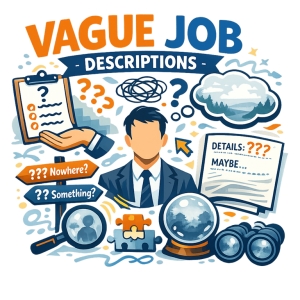

What You Will Learn in This Post
- Why record application volumes do not equal a healthy candidate pipeline in Marketing, Media & Events recruitment
- How vague job descriptions silently push the strongest Marketing, Media & Events candidates away from your roles
- The data showing that clear, focused briefs cut time-to-fill, screening time, and bad-hire risk
- Practical steps to turn a generic wish-list into a brief that attracts the right Marketing, Media & Events talent
Most leaders in Marketing, Media & Events have noticed something odd. Applications per role have surged, yet the comment around the leadership table has not changed. “There are no good candidates out there.”
The data backs up the paradox. Recent research found that the average job advert now attracts around 340 applicants, up 182% since 2021. Yet 70% of hiring leads still report a talent shortage.
Higher volume, lower fit. So, what has changed? The bottleneck rarely sits where leaders assume it does. The brief itself is quietly steering the wrong applications in and the right Marketing, Media & Events talent away.
What the Marketing, Media & Events candidate landscape looks like right now
The CIPD’s most recent UK research found that 64% of employers struggled to attract candidates over the past year, and 69% said competition for well-qualified talent had increased. The UK is no longer a soft market for skilled hire/recruitment.
Niche technical skills, sector expertise, and strong soft skills remain scarce. Specialist Marketing, Media & Events talent has options. They choose where to apply, where to engage in the recruitment process, and where to walk away unbothered.
Candidates feel pressure too. In one 2025 survey, more than 90% described the market as competitive, with 63% calling it intense. The best people quickly filter out roles that feel unclear or generic.
The disconnect is quietly costing you applications from the best people
UK research from job platform Totaljobs uncovered a striking gap. While 74% of recruiters/hiring managers said clear, detailed job descriptions improve application quality, 69% of job seekers reported that expectations in recent ads felt unclear.
The same study found 40% of candidates think ads list too many requirements, and 39% say the titles themselves are unclear. The picture for any Marketing, Media & Events hiring manager is consistent. Vague briefs attract the wrong applications, in larger numbers.
AI is amplifying the noise. Recent data shows that two in five candidates apply to roles in bulk, and 58% use AI tools in their search. When briefs are weak, AI helps people apply to almost anything.
The cumulative effect is that recruitment teams spend their time screening unsuitable CVs/resumes rather than speaking to the few people who fit. The strongest Marketing, Media & Events candidates, meanwhile, see no clear reason to engage and move on.
Diversity also takes a hit. When briefs are crammed with inflated requirements, candidates from less traditional backgrounds self-select out. Many of the best Marketing, Media & Events performers come from those routes. A vague brief loses them before any CV/resume arrives.
What a clear, focused brief delivers 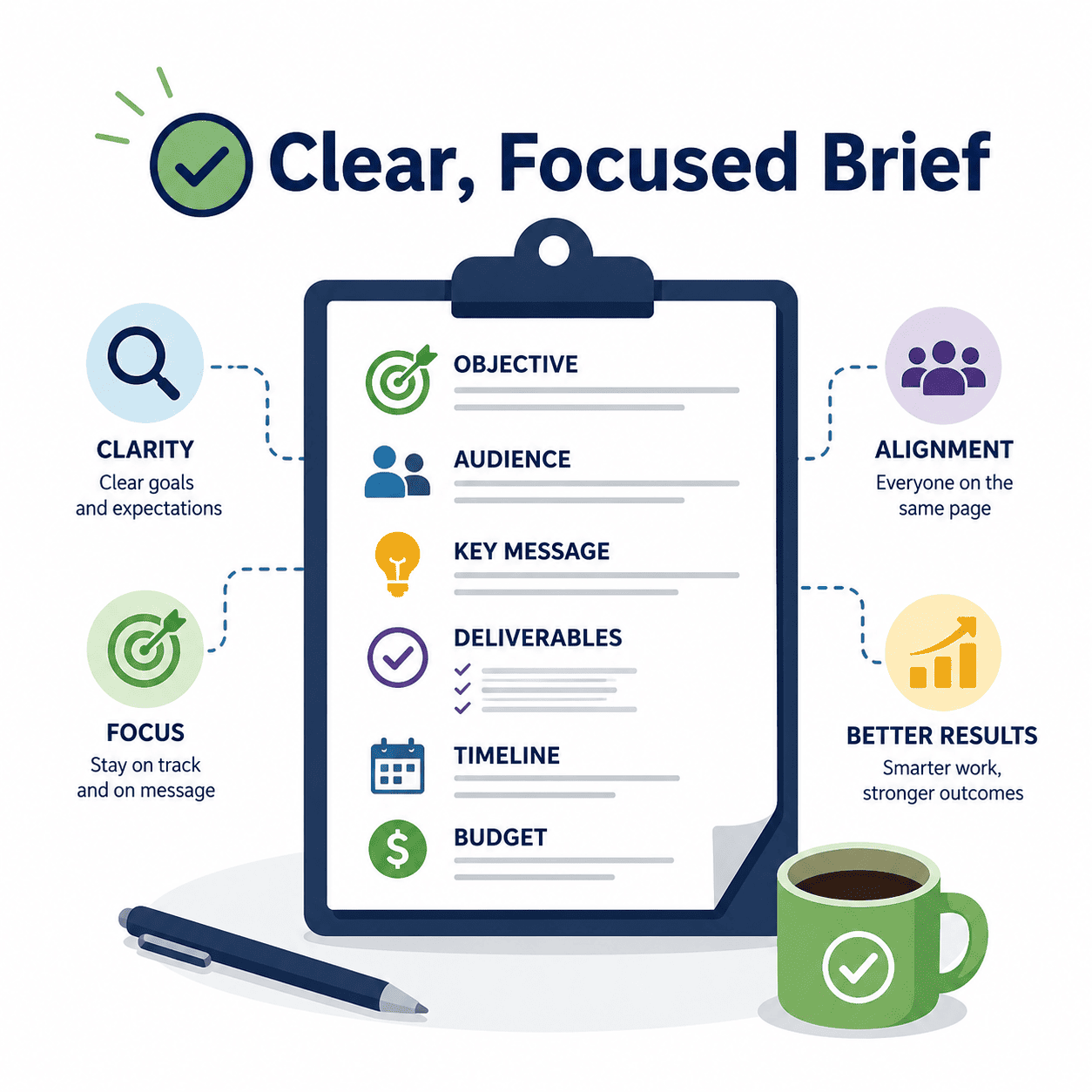
The numbers on briefing quality are striking. One sector-based study found that improving job description accuracy reduced time-to-fill by 25 to 30%, lifted candidate fit from 55% to 80%, and cut screening time by around 40%.
Separate analysis reports that organisations/organizations with clear job descriptions reduce time-to-hire by an average of ten days. That difference alone lowers cost-per-hire and reduces the risk of losing strong Marketing, Media & Events candidates to faster-moving competitors.
There is a candidate-experience benefit too. 78% of job seekers say a well-structured job description improves their application experience. That experience feeds directly into employer-brand perception and later offer acceptance.
In a noisy, AI-inflated market, briefing clarity is now a competitive advantage. Briefs that demonstrate understanding of the role do something that AI-padded ads cannot. They earn the attention of the Marketing, Media & Events talent you want to hire.
Why your strongest Marketing, Media & Events candidates walk away
Even strong candidates are not waiting around. Gartner’s Voice of the Candidate research found that 50% of job seekers back out of an offer before starting work. Of those who have accepted, 47% remain open to other offers.
A 2024 candidate-experience report adds weight. 52% of candidates have declined an offer due to poor experience during the recruitment process. Brief quality is where most of that experience either holds up or starts to fall apart.
The pattern is consistent. When the brief is vague, the interviews drift. Hiring managers ask different questions of different candidates. Feedback is inconsistent. Strong Marketing, Media & Events candidates lose confidence in the leader, the role, and the organisation/organization.
By the time an offer goes out, the better candidates have either accepted elsewhere or lost the conviction to say yes. The cost shows up as a re-run process, a backfilled offer, or a vacancy left open longer than needed.
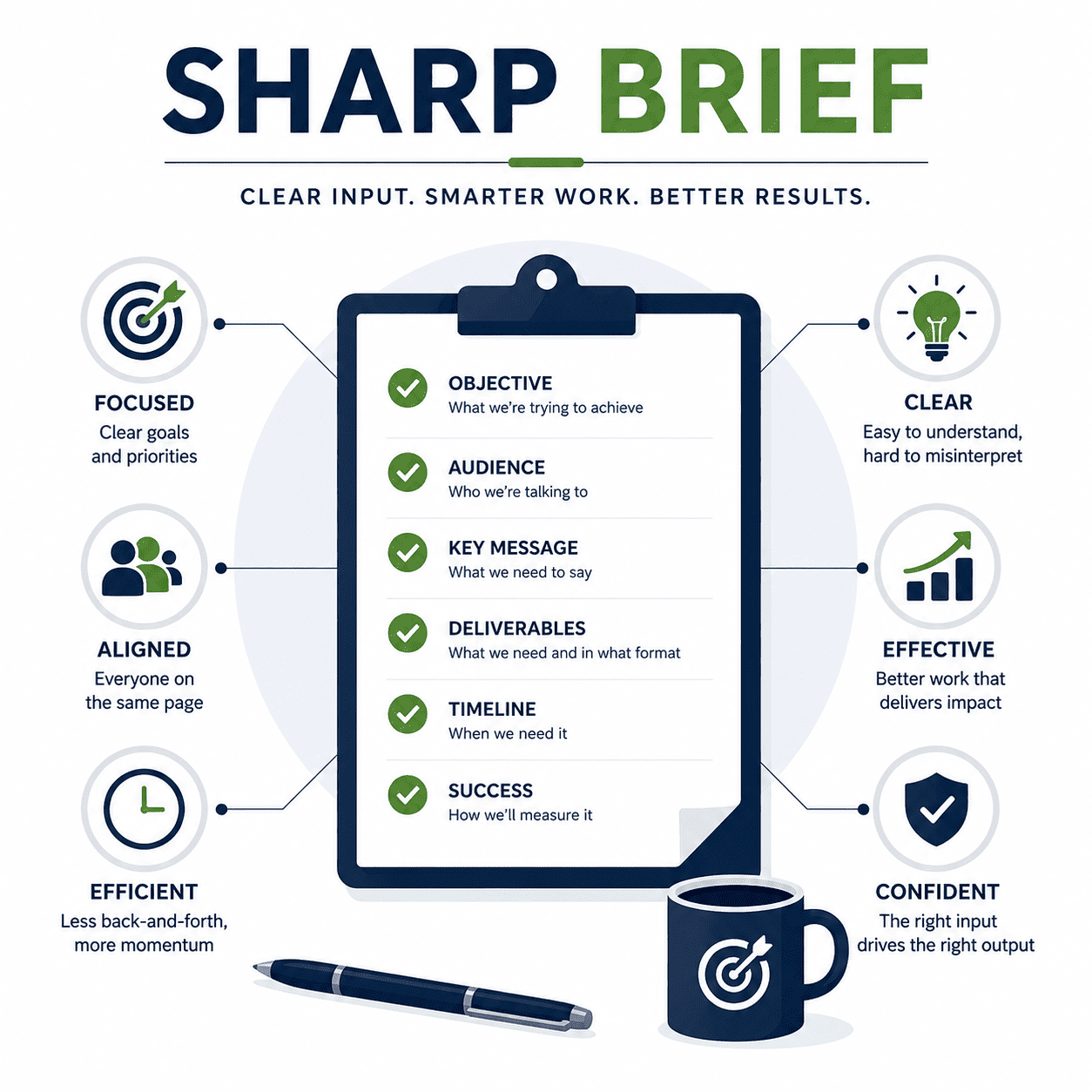 From wish-list to sharp brief: what good looks like in practice
The most effective Marketing, Media & Events hiring managers no longer treat the brief as an admin task. They treat it as a working session, ideally with their specialist recruiter in the room or on the call. The conversation upfront saves weeks later.
A sharp brief starts with outcomes, not a list of duties. What does success look like for this [role] at twelve and eighteen months? Which problems will the new hire have solved? Anchoring the brief here changes everything that follows.
Next, separate must-haves from nice-to-haves. A focused brief carries five to seven essential skills or experiences. Everything else moves into a desirable section. Inflated requirement lists are one of the fastest ways to deter strong Marketing, Media & Events talent.
Be explicit about flexibility, location, and salary/package. Candidates make decisions on these factors early. Burying them or leaving them ambiguous costs you applications from people who would otherwise be a strong fit for the [role].
Replace jargon and inflated job titles with clear, market-recognisable language. The aim is not to sound impressive. The aim is to be findable, scannable, and instantly understandable to the Marketing, Media & Events candidate you most want to attract.
Be honest about the role’s challenges. Strong candidates do not want a sanitised pitch. They want to know what is broken, what needs to be built, and where the autonomy sits. Candid briefs attract the right kind of confidence.
Briefing quality is now your competitive advantage
In a Marketing, Media & Events market where applications are inflated, candidates are wary, and skill shortages persist, the quality of the brief is a key document when it comes to getting the results you want from your recruitment.
Vague briefs send mixed signals, and detailed briefs do the opposite. They show that the role has been thought through, the leader knows what the job is, and the organisation/organization respects a candidates’ time.
The teams that consistently attract the strongest Marketing, Media & Events talent this year will not be the ones with the largest budgets or the best-designed careers pages. They will be the ones who do the hard thinking up front.
That thinking starts with the brief. Get it right, and the rest of the recruitment process flows. Get it wrong, and no amount of advertising spend, sourcing tools, or interview structure will fix it later.
A specialist recruiter who knows your Marketing, Media & Events can be the difference between a brief that quietly leaks talent and one that brings the right candidates to the table. The briefing conversation is where that work begins.
About Us
Reilly People is a professional Search and Select recruitment firm specialising in Media, Marketing & Events - established in 1993.
We recruit up to board level in: Marketing; Sales and Business Development; Marketing Analytics; Conference and Event Production and Management. In more than three decades in business, using our industry knowledge and management experience we’ve placed candidates throughout the UK and all over the world, including EMEA; USA and Asia Pacific.
 About John Reilly
From a media sales career in London with Capital Radio; LBC; and latterly Kiss FM as Head of Sales, I established Reilly People in 1993 to offer the recruitment service I wish I’d received as an employer: a mature approach from an experienced manager to help Businesses hire talent without diverting time trawling through scores of CVs and interviewing a dozen hopefuls.
I’ve always utilised the latest tools from a rolodex to AI, which has included building, over decades, a large, targeted LinkedIn network. Yet the principles remain the same: clearly understand what you, the employer wants and sometimes use my experience to help you define that; then deliver it with as little fuss as possible.
I focus on Marketing; Sales and Analytics roles with a variety of commercial companies, including Media and Events businesses.
“I have been working with John for many years and I have been so impressed by his ability to understand perfectly the type of profiles I am looking for. Today I have got two sales stars in my team and both have been headhunted by John. He is an expert when it comes to find the needed skills for your vacancy but also to get the perfect match for our company’s culture. 
I highly recommend any media or events companies to work with John!”
Adrien Collilieux, Group Event Director – CloserStill Media
At Reilly People we’ve been helping businesses find Marketing and Sales talent and job seekers find their ideal roles for over 30 years. If you want to find out how we can help, call me on 0203 691 0040 or email here.
What Sales Candidates Actually Want From Their Manager in 2026


What You Will Learn
- Why Sales candidates in 2026 are assessing your management culture before they accept a role
- The five qualities top Sales candidates look for in a manager right now
- How psychological safety and career visibility directly affect your ability to retain new hires
- What your recruitment partner can tell you about the leadership reputation your business carries in the market
The Interview Is No Longer One-Sided
Salary still matters. So does flexibility, brand reputation, and the role itself. But a quieter evaluation is happening in every Sales candidate conversation right now, and most hiring managers are not aware of it.
Candidates are assessing the manager. Not just the business.
Research published across 2025 and 2026 by Gallup, Adecco, Perceptyx, and O.C. Tanner points to the same pattern: management quality has become one of the most influential factors in whether a Sales candidate accepts an offer, settles in, and stays.
For hiring leaders in Sales, this is both a challenge and an opportunity. Understanding what candidates want from the person they report to gives you a measurable advantage in a competitive market.
Here are the five areas that matter most in 2026.
1. Clarity That Removes Noise, Not a Personality That Fills the Room
Gallup's 2025 State of the Global Workplace report flagged a significant decline in employee engagement, with unclear expectations cited as a leading driver. Candidates have taken note.
In 2026, Sales candidates are not looking for the most charismatic manager in the room. They are looking for the clearest one. A manager who sets precise priorities, communicates expectations without ambiguity, and protects the team's focus from constant noise and shifting demands.
When candidates ask questions such as 'How do you measure success in this role?' or 'How often do priorities change?', they are not making conversation. They are diagnosing how well this manager communicates direction.
When briefing candidates on a role, be specific about how your leadership team communicates direction. A manager who can articulate expectations clearly in an interview will stand out immediately.
2. Presence That Goes Beyond Being Available 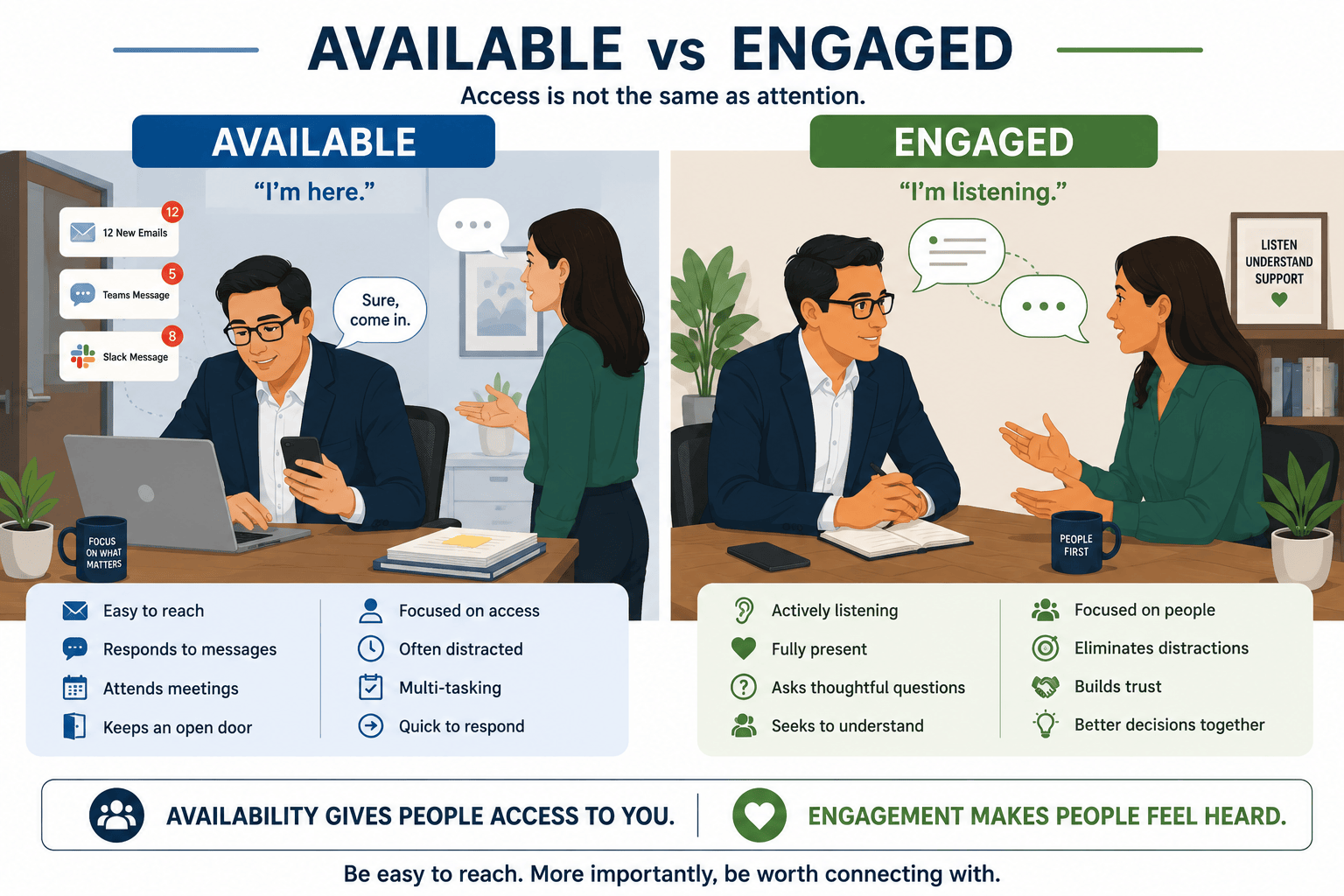
Adecco's Workforce Trends 2026 report highlighted a growing distinction between managers who are technically accessible and managers who are genuinely present. Candidates in specialist sectors are acutely aware of the difference.
Sales candidates, particularly those moving from organisations where they felt invisible, are actively seeking leaders who listen, respond thoughtfully, and make time that feels purposeful rather than transactional. A manager who is always on email but never genuinely engaged in a conversation does not score well.
This is not about open-door policies or monthly one-to-ones on a calendar. It is about whether the manager is genuinely interested in the person doing the work.
When your recruitment partner discusses a candidate's motivations for moving on, listen for phrases like 'I feel like just a number' or 'My manager doesn't know what I do.' These signals tell you exactly what standard candidates will measure your business against.
3. Development That Happens in the Day-to-Day, Not Once a Year
The TalentLMS Learning and Development Report 2026 found that development opportunities are now among the top three factors Sales professionals weigh when evaluating a new role. The operative word is opportunities, plural and ongoing.
Candidates have grown sceptical/sceptical of businesses that promise development in an interview but deliver only a once-yearly appraisal. The organisations/organisations they are drawn to are those in which learning is embedded in the rhythm of the work itself.
This means managers who give real-time feedback, involve Sales team members in decisions that stretch their capabilities, and talk about career progression as a living conversation rather than a box-ticking exercise.
For Sales hiring managers, the question to ask yourself is: if a candidate were to shadow your team for a week, would they see development happening?
Be specific in interviews and offer conversations about how development happens in your team. Concrete examples carry far more weight than a line about 'growth opportunities' in a job description.
 4. Psychological Safety: The Permission to Speak Up
UK-specific data published by People Management in 2025 showed a measurable decline in psychological safety across the workforce. Employees are less likely than five years ago to feel safe raising concerns, sharing ideas, or admitting mistakes.
For Sales candidates who have worked in environments where speaking up carried professional risk, this is a live concern. They are looking for managers who model openness, respond to challenges without defensiveness, and make it structurally safe to say 'I am not sure' or 'I think there is a better way to do this.'
The CIPD and Workplace Options have both published evidence in the past 18 months linking psychological safety to retention, performance, and well-being. Candidates who research your business will look for signals of this culture in everything from your Glassdoor profile to the tone of the interview.
During the interview process, the way your managers respond to candidates' questions is itself a signal. A candidate who asks a challenging question and receives a thoughtful, open answer will leave with a positive impression. One who feels brushed off will not.
5. Career Visibility and Recognition That Feels Personal
O.C. Tanner's State of Employee Recognition 2026 report found that generic recognition, delivered en masse to the whole team or driven by a quarterly award cycle, actively reduces engagement rather than building it. Sales candidates who understand this dynamic are looking for managers who notice individual contribution.
Equally, Perceptyx research published in 2025 identified company stability and credible leadership as the most significant shift in engagement drivers recorded in a decade. Sales candidates are not chasing the most exciting-sounding role. They are looking for a business where the leadership is credible, the career path is visible, and they can see themselves progressing in three years.
Managers who can articulate the career pathway for a Sales position, who speak honestly about where the business is heading, and who give recognition that is specific and timely have a considerable advantage in a candidate-driven market.
Brief your recruitment partner on the genuine career trajectory available in the role. Sales candidates who can see a clear pathway are significantly more likely to accept offers and stay beyond the first year.
Your Management Culture Is Part of Your Employer Brand
The Sales candidates who are right for your business are evaluating far more than the job description. They are evaluating the environment they are moving into and the manager they will spend most of their working week alongside.
The businesses that attract and retain the best Sales talent in 2026 will be those that treat management quality as a hiring advantage, not an afterthought.
If you would like a candid view of how your business is perceived in the current market, and what the best Sales candidates are saying when they are not in the room, a conversation with a specialist recruitment partner is a good place to start.
John
About Us
Reilly People is a professional Search and Select recruitment firm specialising in Media, Marketing & Events - established in 1993.
We recruit up to board level in: Marketing; Sales and Business Development; Marketing Analytics; Conference and Event Production and Management. In more than three decades in business, using our industry knowledge and management experience we’ve placed candidates throughout the UK and all over the world, including EMEA; USA and Asia Pacific.
About John Reilly
From a media sales career in London with Capital Radio; LBC; and latterly Kiss FM as Head of Sales, I established Reilly People in 1993 to offer the recruitment service I wish I’d received as an employer: a mature approach from an experienced manager to help Businesses hire talent without diverting time trawling through scores of CVs and interviewing a dozen hopefuls.
I’ve always utilised the latest tools from a rolodex to AI, which has included building, over decades, a large, targeted LinkedIn network. Yet the principles remain the same: clearly understand what you, the employer wants, and sometimes use my experience to help you define that; then deliver it with as little fuss as possible.
I focus on Marketing; Sales and Analytics roles with a variety of commercial companies, including Media and Events businesses.
“I have been working with John for many years and I have been so impressed by his ability to understand perfectly the type of profiles I am looking for. Today I have got two sales stars in my team and both have been headhunted by John. He is an expert when it comes to find the needed skills for your vacancy but also to get the perfect match for our company’s culture.
I highly recommend any media or events companies to work with John!”
Adrien Collilieux, Group Event Director – CloserStill Media
At Reilly People we’ve been helping businesses find Marketing and Sales talent and job seekers find their ideal roles for over 30 years. If you want to find out how we can help, call me on 0203 691 0040 or email here.
The 90-Day Blueprint for Converting New Hires into Top Performers


The 90-Day Window that Decides Everything
The first 90 days don't seem significant from the outside. There is no single moment when things go obviously wrong. What happens instead is more subtle.
A new recruit starts strong, then slows down. Questions linger a little longer than they should. Decisions get deferred upward. Confidence wobbles, even if performance looks fine on paper.
Most organisations/organizations treat this phase as a settling-in period. Something to get through before "real work" begins. That framing misses the point. The early months shouldn't be a warm-up. They should be when expectations are set, habits start to form, and people begin to find their place.
The trouble is that onboarding is often inconsistent. A Gallup study found that one in five employees reported poor onboarding experiences. That's despite research showing that effective onboarding can increase productivity by over 70% and retention by up to 82%.
When onboarding feels patchy, confusing, or barely there at all, a new Marketing, Media or Events recruit starts behind the line. That's why the first 90 days carry so much weight.
When early expectations are clear, support is visible, and feedback arrives when it is still useful, people tend to lean in. They take sensible risks. They ask better questions. They start solving problems rather than working around them. When those conditions are missing, people become cautious. They wait. They mirror what they see rather than improving it. Your approach to shaping the first 90 days for a new employee won't guarantee success, but it will make success possible.
The Real Business Cost of Getting Onboarding Wrong
Most leaders only feel the cost of poor onboarding after the fact. A resignation lands, a project slips, or a team starts sounding stretched. By then, the damage is done, and it's often much bigger than most people realise. The obvious cost is recruitment. If your new recruit doesn't work out, you must pay for everything again: job ads, agency fees, interview time, and background checks. 
Overall, the cost of a bad recruit can reach an average 30% of a person's annual salary. On the other hand, companies with structured onboarding see up to a 60% year-over-year revenue increase.When someone leaves within their first few months, that spend produces no return. The business resets and pays again. What is often overlooked is that the second recruitment typically takes longer because confidence in the role or process has been shaken.
Early onboarding requires significant management attention. Systems are explained. Work gets reviewed more closely. Decisions are double-checked. This is expected and healthy when it leads to a positive outcome for everyone involved. When onboarding is weak, that investment stretches out instead of tapering off. New Recruits keep checking things they should already understand. They avoid decisions because they are unsure of the boundaries. Weeks pass, and the manager still feels like the role is "in progress."
According to McKinsey, when onboarding is structured with a 90-day plan, goal achievement increases from 15% to 75%. In small and mid-sized teams, poor onboarding shifts the workload among other Marketing, Media or Events team members. Over time, resentment can creep in, especially when the team begins to assume new starters will struggle.
New Recruits feel this first. When expectations are unclear, people protect themselves. They become cautious. They wait for direction. Initiative drops, not because they lack ideas, but because they do not want to get it wrong. The Organisation adapts too. Managers lower the bar without realising/realizing it. Teams stop expecting much early on, and this mindset is hard to shift once it settles.
Starting a Marketing, Media or Events role without clarity or support quickly creates stress. Starting with structure, clear priorities, and regular check-ins usually has the opposite effect. People settle faster. Problems surface earlier. Energy is spent on work, not worry. None of these costs is due to a lack of effort or care. They come from gaps that feel small in the moment and expensive later. When onboarding works, it delivers real results. It shortens the distance between joining and contributing, protects the team around the recruit, and gives people a fair chance to succeed without unnecessary friction.
How To Structure Your Onboarding Plan for New Marketing, Media or Events Recruits
When onboarding goes wrong, it rarely fails all at once.
A new Marketing, Media or Events recruit might have all the right systems access but no idea who to ask for help. Or they might feel socially welcome but still be unsure what their manager truly cares about. Sometimes the role itself makes sense, but the unwritten rules do not. Those gaps are easy to dismiss individually. Together, they slow people down.
After reviewing enough early exits and slow ramp-ups, a pattern emerges. Companies that succeed look at three things, constantly:
Can they do the job?
When access is delayed, systems are confusing, or processes exist only in someone's head, new Recruits spend their early weeks working around the Organisation instead of working for it. They hesitate because they are not sure whether a problem is their fault or the system's. T
hat hesitation is costly, especially in roles where decisions matter.
Do they feel like part of the team?
 New recruits quickly notice whether people want them to succeed. They see who checks in, who explains the unwritten rules, and who leaves them to figure things out on their own.
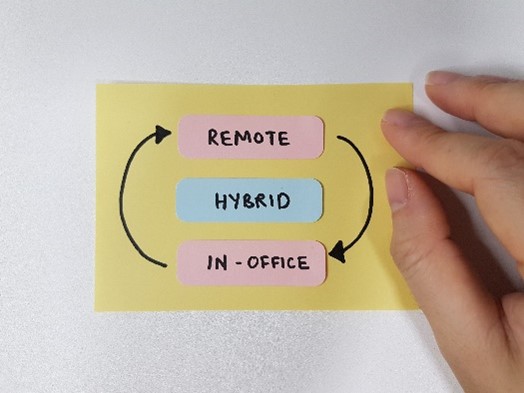
In hybrid and remote teams, this matters even more because isolation is easier to hide. Without that connection, people tend to withdraw. They rely on formal processes. They stop asking small questions and start making assumptions.
Do they understand what's expected?
Many new recruits are capable, experienced people who still spend their first months guessing. Guessing what matters, how much detail is enough, or whether silence means approval or indifference. Harvard Business Review has noted that many organisations fail to set clear early performance expectations. The result is rarely outright failure. It is caution and delays.
The businesses that struggle most with onboarding often treat these issues separately or hand them off to different people. The companies that perform better accept that new recruits experience all of this at once and develop a clear roadmap to success.
Days 1 to 30: Shaping the First Month
A new recruit usually assumes any friction they encounter is temporary or their own fault. If access is missing, they wait. If priorities are unclear, they hedge. If feedback is quiet, they assume they're doing fine. By the end of the first week, patterns start forming, and not always positive ones.
To get the first month right, Marketing, Media or Events companies need to recognise a few things:
What Happens Before Day One Matters
The gap between signing the offer and starting the role sends a message. 
When that stretch is quiet, people don't just wait. They start guessing. Is everyone swamped? Was the recruitment rushed? Is this just how things work here? By the time day one rolls around, those guesses have already shaped expectations.
Pre-onboarding doesn't need to be fancy. Access sorted. Equipment ready. A short note from the manager outlining the first week's focus. That alone removes a surprising amount of uncertainty. Research across onboarding studies consistently shows that many new Recruits receive none of this, which helps explain why so many start on the back foot.
Day One Sets the Tone
Most first days are packed with information. Systems, policies, introductions, presentations. The intention is to be thorough, yet the result is often overload.
New Recruits rarely request more content on day one. They're looking for signals. Is my manager available? Do people expect questions? What should I focus on first?
A first day that works well usually has fewer slides and more conversations. A clear sense of what matters this week, not everything that matters eventually.
Missing access, unclear processes, and undocumented shortcuts show up in almost every Organisation. New Marketing, Media or Events Recruits expect that. What they struggle with is not knowing whether those gaps are acknowledged.
When problems are identified early, even if they are not yet fixed, trust builds. When they are ignored, people assume they are on their own. That is when hesitation sets in.
Open Communication Matters
 New recruits don't stop asking questions because they've learned everything. They stop because they are unsure how their questions are being received.
Having a clear point of contact outside the manager changes this dynamic. Research into hybrid onboarding shows that new recruits who connect regularly with a buddy report higher confidence and faster productivity. That matches what many teams see in practice. Small questions get answered early. Small misunderstandings never become habits.
Clarity is Everything in The First Month
The first 30 days don't need a detailed performance plan. They need clarity.
People need to know what a good first month looks like. What matters. What can wait. Where mistakes are expected and where they are not. When expectations are vague, capable people slow themselves down to stay safe.
When expectations are clear, even if they evolve, people move with more confidence.
Days 31 to 60: Where Momentum Builds
By the second month, most new Recruits look fine on the surface. They know the tools. They recognise/recognize faces. Basic questions come up less frequently. From a distance, it can feel like the role has clicked. This is often when Marketing, Media or Events managers shift their attention elsewhere, and progress begins to slow.
What changes in this phase are not capabilities. It's confidence. People start testing their judgement/judgment, not just their knowledge. They want to know whether they're trusted to make calls, not just follow instructions. If that signal never comes, they tend to play it safe.
In month two, work should begin to feel like it belongs to the new recruit. That doesn't mean piling on pressure or suddenly ramping up workload. It means shifting the conversation away from what's been ticked off and towards how someone's thinking.
Are they spotting issues before they're raised? Are they prioritising/prioritizing in a way that matches the team? Are they starting to see why some decisions carry more weight than others?
Feedback Works Best When It's Early and Often
Waiting for a formal review to raise issues rarely helps. By day 60, patterns are already forming.
Short, regular check-ins make a difference here. Not long meetings. Just specific conversations that confirm what's working and adjust what isn't. That's why structured 30, 60, and 90-day expectations are linked to better goal achievement, not because of the document itself, but because it forces clarity before habits settle.
Broadening the View of Work
This is also when new recruits should begin to see how their work fits into the wider Marketing, Media or Events business. Once people understand where their work will go next, decision-making becomes easier. They hesitate less. They escalate less. A couple of timely introductions, or being invited into the right meeting, can save a lot of frustration later. It also changes how new Recruits see themselves. They feel involved, not just present.
By the end of this phase, there should be an honest conversation about three things: what's landing well, where expectations remain unclear, and what needs to change before the role is fully owned. When that conversation happens, the third month usually moves faster. When it doesn't, people often stay in a holding pattern longer than anyone realises.
Days 61 to 90: When the Role Becomes Real
This is usually the moment when a new Marketing, Media or Events recruit either begins to feel settled in the role or starts to question whether they ever will.
The Shift from Delivery to Judgement/Judgment
By this stage, most people can complete the role's core tasks. The question now is whether they're starting to make decisions as the business expects.
Do they know which issues need to be flagged early and which don't? Can they prioritise/prioritize without checking every step? Are they starting to spot problems before they land on someone else's desk?
Why Some People Stall Just When They Should Accelerate
Many new Recruits slow down in month three, even if the first two months went well. That often surprises managers.
This is why clarity matters more here than encouragement. People don't need to be told they're doing great. They need to know where they stand and what's expected next.
The 90-day Review That Actually Helps
A useful 90-day conversation is specific and forward-looking.
It looks back briefly, then focuses on what comes next. What should this person now own without support? Where should they start pushing further? What does good performance look like over the next quarter?
When this conversation is handled well, it often resets energy.
Linking Performance to a Future, Without Overpromising
This is also the right time to discuss development.
New Marketing, Media or Events recruits don't expect a promotion plan at 90 days. They want to know whether there's a future here and how progress will be measured. When that conversation never happens, people fill the gap with assumptions.
Simple signals matter. What skills are valued? How growth tends to happen here. What good people usually do next. Those signals help people decide how much to invest.
Marking Progress so it Doesn't go Unnoticed
 By month three, effort often becomes invisible. The scramble of the early weeks has passed, and contributions are taken for granted more quickly.
Noticing progress matters. Make sure there's a clear plan for onboarding new team members. Look at how they handle tasks, make judgement/judgment calls without support, and reinforce the right behaviours.
The more feedback your employees receive early on, the faster they move toward their longer-term goals. Some studies show that 77% of new Recruits with structured onboarding hit performance milestones faster because they receive more insights along the way.
The Manager's Role: The Heart of Better Onboarding
Most onboarding problems don't start in HR. They start in the gap between what a Marketing, Media or Events manager thinks they're doing and what a new recruit is experiencing.
Almost every early exit story sounds reasonable on the surface. "Nice person, just not quite right." "They didn't take ownership." "They needed more direction than we expected." When you trace those stories back, a pattern usually appears. The manager assumed the recruit was settling in. The recruit assumed they were being judged and stayed cautious.
Neither side meant for that to happen.
What New Recruits Tend to Watch
In the first few months, new recruits pay close attention to small signals. How easy it is to get time with their manager. Whether questions are welcomed or tolerated. Whether feedback arrives when it's still useful, or only after something goes wrong.
Managers often assume silence means everything is fine. New recruits frequently read silence as risk. When they're unsure, they limit what they offer. They stick to instructions. They avoid decisions that might expose a misunderstanding. That's rarely a motivation problem. It's a confidence one.
Why "They Should Be More Proactive" Is Usually a Warning Sign
When managers say a new recruit isn't proactive, it's worth pausing to consider the reasons. Proactivity only shows up when people feel safe making calls.
If expectations haven't been spelt out clearly, people wait for approval. They check more than necessary. From the outside, it appears passive. From the inside, it feels like self-protection.
The Difference Short, Regular Check-Ins Make
Some managers rely on formal reviews. Others check in constantly but without structure. Both approaches can miss the mark. 
Managers are responsible for up to 70% of employee engagement, so it makes sense that they check in regularly.
A steady rhythm of regular conversations about where new Recruits are excelling or struggling helps. Those questions surface hidden issues early, before they turn into habits.
The key point is that coaching beats correction. Managers who jump straight to correction often fix the symptom and miss the cause. Managers who ask how someone arrived at a decision usually uncover the gap much faster. Maybe the priority wasn't clear. Perhaps the context was missing. Maybe the risk tolerance wasn't understood.
That kind of conversation builds improvement; correction alone drives compliance.
When Managers Struggle, It's Often a System Problem
It's easy to blame Marketing, Media or Events managers when onboarding falls short. In practice, many are set up to fail.
If onboarding lives in people's heads rather than in shared tools, quality varies widely. If expectations aren't clear, managers improvise. Some do it well. Others don't, through no lack of effort.
Managers tend to succeed when they're given a clear structure and trusted to apply it, not when they're expected to invent the experience from scratch.
Onboarding rarely fails because managers don't care. It fails because it's squeezed between competing priorities and treated as something that should happen naturally.
When managers show up early, say more than feels necessary, and give feedback before it's uncomfortable, new Recruits usually grow into the role. When they don't, even strong people can stall quietly.
 Measuring Success in The First 90 Days: The Easy Guide
Most Marketing, Media or Events organisations/organizations track onboarding success indirectly. Someone stays past probation, hits a few deadlines, and doesn't raise any red flags. On paper, that looks like success.
In practice, those signals arrive too late.
The first 90 days provide quieter indicators, long before performance reviews or engagement surveys catch up. Leaders who spot them early tend to intervene sooner and avoid larger problems later.
What You Notice When Onboarding Is Going Well
When someone's finding their feet properly, it shows in small ways. They stop reviewing every decision and instead explain how they're thinking. Questions change. Less "Is this okay?" and more "Here's how I'm looking at it." Work comes back closer to the mark. Fewer rewrites. Fewer last-minute saves.
Managers often describe this as someone "getting it," even if they can't always articulate why. What they're usually seeing is confidence catching up with capability.
Signals That Usually Appear Before Things Drift
When onboarding isn't working, the signs don't show up as failure straight away. People hesitate longer than expected. They rely heavily on a single colleague.
They wait for direction on things that should be routine by now. Feedback conversations feel polite but vague. Progress stalls without an obvious cause.
These patterns matter more than surface productivity. Someone can appear busy and still be stuck. Catching that early is far easier than addressing it six months later.
Measures That Tend to Be Useful
Some indicators are worth tracking because they point to real experience rather than compliance.
- Time to first meaningful contribution, not just task completion
- How often does work need to be redone due to misunderstood expectations
- Whether new Recruits can explain priorities without checking notes
- Confidence ratings from short check-ins at 30, 60, and 90 days
None of these needs complex systems. Most can be surfaced through conversation if managers are paying attention.
It's tempting to lean on easy metrics. Completion of onboarding checklists. Attendance at training sessions. Positive comments in welcome surveys.
These indicate whether onboarding occurred, not whether it worked. People will complete tasks and stay polite even when they're struggling. Relying on those signals alone often creates false reassurance.
Why Feedback Loops Matter More Than Dashboards
The most useful measurement in the first 90 days is feedback that goes somewhere.
Short pulse questions at set points. A buddy asked what they're noticing. Managers share patterns among new Recruits rather than treating each case in isolation. These loops help Marketing, Media or Events teams adjust while it still makes a difference.
Organisations that improve onboarding over time usually aren't measuring more. They're listening better and acting sooner.
Measuring success in the first 90 days isn't about proving everything is fine. It's about identifying where support, clarity, or timing needs to change before small issues become lasting ones.
What Makes the Difference, and What to Do Next
Most onboarding problems don't come from bad intentions. They come from gaps. Small ones, often. A conversation that didn't happen early enough. An assumption that someone would speak up if they were unsure. A sense that things were "basically fine," so attention moved elsewhere. 
Over time, those gaps grow.
The first 90 days don't decide whether a Marketing, Media or Events candidate will become exceptional. They decide whether someone feels steady enough to try. When people start a role with clarity, support, and room to learn without second-guessing themselves, performance tends to follow. When they begin in confusion, even capable people pull back.
Getting this right doesn't require more complexity. It requires attention in the right places. Earlier clarity. More visible support. Fewer assumptions about what people will "just pick up." When those conditions are in place, onboarding stops feeling like a risk to manage and becomes a foundation.
For leaders building teams in the current climate, that matters. Hiring and recruiting are too costly, and good people are too valuable, to leave early success to chance.
The strongest teams are rarely built through perfect recruiting. They're built by giving new people a fair start, then backing that up with clarity and consistency.
The first 90 days is where that work begins.
Best, John
About Us
Reilly People is a professional Search and Select recruitment firm specialising in Media, Marketing & Events - established in 1993.
We recruit up to board level in: Marketing; Sales and Business Development; Marketing Analytics; Conference and Event Production and Management. In more than three decades in business, using our industry knowledge and management experience we’ve placed candidates throughout the UK and all over the world, including EMEA; USA and Asia Pacific.
About John Reilly
From a media sales career in London with Capital Radio; LBC; and latterly Kiss FM as Head of Sales, I established Reilly People in 1993 to offer the recruitment service I wish I’d received as an employer: a mature approach from an experienced manager to help Businesses hire talent without diverting time trawling through scores of CVs and interviewing a dozen hopefuls.
I’ve always utilised the latest tools from a rolodex to AI, which has included building, over decades, a large, targeted LinkedIn network. Yet the principles remain the same: clearly understand what you, the employer wants, and sometimes use my experience to help you define that; then deliver it with as little fuss as possible.
I focus on Marketing; Sales and Analytics roles with a variety of commercial companies, including Media and Events businesses.
“I have been working with John for many years and I have been so impressed by his ability to understand perfectly the type of profiles I am looking for. Today I have got two sales stars in my team and both have been headhunted by John. He is an expert when it comes to find the needed skills for your vacancy but also to get the perfect match for our company’s culture.
I highly recommend any media or events companies to work with John!”
Adrien Collilieux, Group Event Director – CloserStill Media
At Reilly People we’ve been helping businesses find Marketing and Sales talent and job seekers find their ideal roles for over 30 years. If you want to find out how we can help, call me on 0203 691 0040 or email here.
The Real Cost of a Bad Hire in Marketing, Media and Events


The cost of a bad hire is constantly underestimated.
Most leaders see the obvious bit. Recruitment fees. Advertising. Interview time. Perhaps onboarding and equipment.
What tends to be missed is everything that happens afterwards.
Work slows down before anyone calls it a problem. Managers start spending time fixing things that shouldn’t need fixing. The strongest people in the team quietly carry more than their share until it begins to wear them down.
Still, around 74% of employers admit they have hired the wrong person for a role.
Decisions get rushed. Concerns spotted in interviews are brushed aside. Starting again feels painful, so people push ahead and hope for the best.
The true cost only becomes obvious later.
The Direct Cost of Hiring
Ask most marketing, media or events leaders what recruitment costs look like and the answers are fairly predictable. Salary, agency fees, interview time, onboarding and equipment.
Typically it breaks down like this:
• Advertising or search fees often sit at 15–25% of salary
• Interview time across several managers
• Onboarding and training
• Equipment, software access and setup
Even before anything goes wrong, the numbers are meaningful. The average cost per hire sits at about £6,125 in the UK for non-executive roles. Senior hires can easily reach one and a half to two times the employee’s annual salary once everything is factored in.
Roles also stay open for weeks. Around 42 days on average in the UK. During that time the work does not disappear. It simply gets redistributed.
This is where the real picture starts to blur.
The Hidden Cost Nobody Logs
Once someone joins, the real question begins. How long does it take before they are genuinely effective?
How often do managers need to step in to course-correct? How much quiet effort the rest of the team puts in to keep things moving?
Those costs rarely appear in reports, but they are where the real damage starts.
Productivity Slips First
The early signs are usually small. Work takes longer than expected. Tasks need checking. Output feels inconsistent.
Leadership IQ found that nearly half of new hires fail within their first 18 months. That does not usually mean incompetence. Often the person is perfectly capable. They just are not the right fit.
Teams compensate without really noticing. Someone double-checks the work. Another person steps in to protect a deadline.
Over time that extra effort becomes routine.
Managers Get Dragged In
When performance slips, managers do what good managers do. They help.
The problem is not the support. It is the amount of attention required. Time that should be spent planning, developing people or working with clients gets pulled into:
• Re-explaining fundamentals
• Reviewing work line by line
• Fixing issues that should not exist at that stage
• Managing probation conversations
None of that appears neatly on a balance sheet. Yet it can become one of the most expensive periods for a business.
Team Morale Starts to Shift
Strong teams naturally compensate when something is off. People pick up extra work to keep standards high. At first it feels manageable.
But eventually that changes how people feel about their role. Companies with disengaged employees experience:
• 37% higher absenteeism
• 18% lower productivity
• 15% lower profitability
In large companies the numbers are staggering. S&P firms lose an average of £228 million annually due to disengagement and attrition.
Good People Leave
When the pressure keeps building, good employees eventually make a decision. Studies show high-performing staff are 54% more likely to leave toxic or poorly functioning environments.
Over 80% of decisions to leave are driven by other employees. That matters because replacing one strong performer is rarely quick anymore.
In 2025 more than 80% of UK businesses reported difficulty filling open positions. Losing the wrong person is painful. Losing the right one is far worse.
Clients Notice Eventually
Internal strain rarely stays internal. Deadlines start slipping. Service becomes inconsistent. Communication becomes patchy.
Research shows many customers will walk away after just one poor experience. When that happens the cost is not only reputational. It is revenue that never returns.
The hiring mistake that caused it may have happened months earlier.
Why One Bad Hire Often Leads to Another
Bad hires rarely stay isolated. The first problem creates pressure. Work slows down. Managers feel urgency to bring in help.
The next hire becomes about relief rather than fit. Interviews get squeezed into busy schedules. Fewer candidates are compared properly. Small concerns are ignored.
Research suggests the likelihood of another poor hire rises by around 50% after the first.
Meanwhile good employees quietly disengage or leave. This is how one wrong decision turns into several.
Getting It Right First Time
When hiring works well, it is almost invisible. The person settles in, the work moves forward, and attention shifts elsewhere.
When it goes wrong, the causes are usually fairly predictable.
Salary sets the tone
Pay shapes who applies before interviews even begin. When salary sits below the market:
• Strong candidates rule themselves out
• Others accept but continue looking elsewhere
• Counter-offers and early resignations increase
Replacing an employee can cost between half and twice their annual salary. Against that backdrop, underpaying rarely saves money.
Role clarity matters
Many hiring problems start before a candidate ever walks into an interview. Job descriptions often explain duties but not what success looks like.
That leads to:
• Disagreement about performance expectations
• Friction during probation
• Shifting expectations after someone joins
Defining what success looks like in the first 90 days prevents much of this.
Structure beats instinct
Interviews still rely heavily on instinct. That is understandable, but unstructured interviews tend to reward confidence rather than consistency.
They also miss important signals around judgement and working style. That is why many hiring failures turn out to be about fit rather than capability.
Onboarding decides the outcome
Even excellent hires can struggle without proper onboarding.The first few weeks shape habits that last for years.
When onboarding lacks structure:
• Productivity takes longer to build
• Problems surface later
• Managers remain heavily involved
Salary, role clarity, selection and onboarding form one system. When they align, hiring risk drops dramatically.
Why Professional Recruiters Help Reduce Risk
Most hiring mistakes do not happen because leaders are careless. They happen because people are busy.
Work needs to move forward, teams are stretched and hiring gets squeezed into spare moments. This is where specialist recruiters make a real difference.
One advantage is access. Many strong candidates never apply for roles at all. They are employed, selective and cautious about moving.
Recruiters spend time in that part of the market.
That tends to produce:
• Shortlists based on fit rather than availability
• Candidates who have genuinely considered the move
• Fewer interviews with people who are simply curious
Recruiters also bring market context. They see patterns across dozens of searches, not just one vacancy.
That helps answer questions such as:
• Is the salary realistic?
• How competitive is the search?
• Why candidates are declining offers?
None of this guarantees success. What it does is reduce the chances of an expensive mistake.
The Opportunity Cost Nobody Budgets For
The real cost of a bad hire rarely appears neatly in reports. It shows up as work that slowed down, people who carried more than they should have, and decisions delayed while attention was pulled elsewhere.
Hiring well protects more than budgets. It protects momentum, morale and trust across a team.
Best regards,
John
About Us
Reilly People is a professional Search and Select recruitment firm specialising in Media, Marketing & Events - established in 1993.
We recruit up to board level in: Marketing; Sales and Business Development; Marketing Analytics; Conference and Event Production and Management. In more than three decades in business, using our industry knowledge and management experience we’ve placed candidates throughout the UK and all over the world, including EMEA; USA and Asia Pacific.
About John Reilly
From a media sales career in London with Capital Radio; LBC; and latterly Kiss FM as Head of Sales, I established Reilly People in 1993 to offer the recruitment service I wish I’d received as an employer: a mature approach from an experienced manager to help Businesses hire talent without diverting time trawling through scores of CVs and interviewing a dozen hopefuls.
I’ve always utilised the latest tools from a rolodex to AI, which has included building, over decades, a large, targeted LinkedIn network. Yet the principles remain the same: clearly understand what you, the employer wants, and sometimes use my experience to help you define that; then deliver it with as little fuss as possible.
I focus on Marketing; Sales and Analytics roles with a variety of commercial companies, including Media and Events businesses.
“I have been working with John for many years and I have been so impressed by his ability to understand perfectly the type of profiles I am looking for. Today I have got two sales stars in my team and both have been headhunted by John. He is an expert when it comes to find the needed skills for your vacancy but also to get the perfect match for our company’s culture.
I highly recommend any media or events companies to work with John!”
Adrien Collilieux, Group Event Director – CloserStill Media
At Reilly People we’ve been helping businesses find Marketing and Sales talent and job seekers find their ideal roles for over 30 years. If you want to find out how we can help, call me on 0203 691 0040 or email here.
Hybrid Work in 2026, Why Flexibility Now Shapes Hiring Outcomes in Marketing, Media and Events


Here's a situation that marketing, media and events companies regularly deal with. The recruitment process runs smoothly, interviews go well, and leaders put together a competitive package.
Then the candidate asks a simple question.
"How often do I need to be in the office?"
If the answer is five days a week, many candidates quietly back away. Not because they dislike office work. Most don’t. But they don’t want to feel unnecessarily restricted.
Recent 2025 remote work statistics show that 76% of workers would look for a new job if remote work were not an option, and 69% would accept a pay cut to keep some flexibility. In the same report, 85% said remote work is the top factor influencing whether they apply for a role.
That is quite a shift.
What This Article Covers
This article looks at why hybrid work expectations have become almost non-negotiable for many candidates in 2026. Around 58% prefer fully remote roles, and another 40% prefer hybrid arrangements.
We will look at why return-to-office mandates drive higher turnover, why flexibility now influences 76% of retention decisions, and what hybrid work policies actually reduce hiring problems.
Pay, title and progression still matter. Of course they do. But for many candidates they no longer outweigh the question of flexibility.
If you are competing for marketing, media and events talent today, you need to understand that.
Hybrid Work Demand, The Numbers Tell the Truth
For years, flexibility was something candidates appreciated but often traded away if the job felt right.
That is not the case anymore.
The FlexJobs State of the Workforce report asked candidates what type of role they wanted:
• 58% said fully remote
• 40% said hybrid
• 2% said full-time office
Other research points in the same direction. Robert Half found that flexibility influences whether 76% of employees stay with an organisation, not just whether they apply.
Owl Labs reports that many employees would start job hunting if flexibility disappeared, even if nothing else changed.
And around 17% of workers have already left jobs because employers changed their office policies.
If you recruit in marketing, media or events, that will not surprise you. Conversations about flexibility come up constantly now.
Many employers still treat flexibility as something to weigh against pay or progression. Candidates increasingly see it as part of the job itself.
Despite that, 53% of workers were required to return to the office in 2025, up from 23% in 2024. Around 30% of companies say they plan to eliminate remote work by the end of 2026.
That is quite a collision course.
What Candidates Actually Want, And Where Employers Lose Them
Most candidates are not asking to disappear entirely.
Many still want to meet colleagues, collaborate, and spend time in the office when it makes sense.
What they react badly to is being told exactly where they must be every day regardless of the role.
Flexibility usually comes down to a few simple things:
• Some choice over where they work during the week
• A say in how their working day is structured
• Clear expectations they can plan their lives around
• Confidence they will be judged on their results, not visibility
Those expectations line up with what employees are saying elsewhere. Around 83% of candidates now prioritise work-life balance over salary.
And there is a practical side to that.
A shorter commute means hours back each week. Fewer fixed days in the office can reduce childcare costs. Flexible start and finish times remove a lot of daily stress.
For many people that matters more than a slightly higher salary.
So when employers insist on five office days for roles that do not genuinely require it, candidates hesitate. Not out of laziness. Out of common sense.
When companies explain what flexibility actually looks like, and stick to it, recruitment conversations usually move forward. When expectations are vague or constantly changing, candidates move on.
The Cost of Ignoring the Demand for Flexibility
From a business perspective flexibility can feel intangible.
Salary is easy to calculate. Office attendance is easy to measure. Flexibility is harder to quantify.
But the cost of ignoring it shows up quickly.
Businesses with strict return-to-office rules see turnover run as much as 13% higher.
Replacing people is not cheap. The cost appears in slow hiring decisions, overstretched teams and the time it takes for new hires to get up to speed.
Senior and specialist employees are often the first to leave because they have options.
When they go, organisations lose knowledge, relationships and leadership capacity that take years to rebuild.
Hiring teams feel the impact as well. Strict office policies shrink the candidate pool. Some candidates simply do not apply. Others drop out when expectations become clear.
Suddenly recruitment becomes slower and more expensive even when compensation is strong.
Finding the Balance, What Works When Hybrid Is Done Well
Interestingly, only 16% of business leaders think five-day office attendance is actually necessary.
Most managers accept that flexibility should exist. The challenge is designing it properly.
The organisations handling hybrid work well usually focus on three things.
Presence with purpose
The strongest hybrid teams are clear about why people come together.
Office time is used for planning, decision-making, onboarding and work that benefits from face-to-face discussion. Not simply as proof people are working.
Clear rules rather than rigid ones
Hybrid policies fail when expectations are vague.
The organisations seeing fewer recruitment and retention issues tend to spell out:
• How often teams meet in person
• Whether days are fixed or chosen by the team
• What work happens in the office
• How performance is assessed
Clarity removes a lot of unnecessary friction.
Managers who focus on outcomes
Policies matter, but the real test happens with line managers.
The managers who make hybrid work succeed usually focus on results rather than hours, hold regular check-ins rather than constant monitoring, and ensure remote voices are heard in decisions.
When that happens, teams feel trusted.
From Strategy to Reality, What Marketing, Media and Events Employers Should Do Now
Most organisations do not need a complete rethink of how work happens. They need clearer choices and more consistency.
Start by looking at your recruitment process.
Do candidates lose interest when they discover hybrid work is not available?
Do employees start leaving when flexibility disappears?
If the answer is yes, the message is fairly clear.
Next, make the policy explicit. A workable hybrid approach explains how often teams meet, who decides those days, and how performance is evaluated.
When candidates understand the arrangement early, recruitment conversations become simpler.
Managers also need guidance. When flexibility feels like a favour rather than part of the job, trust disappears quickly.
And finally, avoid sudden reversals. Few things unsettle teams faster than changing a working arrangement people have already built their lives around.
Flexibility now shapes who applies, who accepts offers and who stays.
That reality is unlikely to reverse.
Don’t Underestimate the Draw of Flexibility
Roles are taking longer to fill. Strong candidates are harder to find. Good employees sometimes leave with very little warning.
Hybrid work sits underneath many of those outcomes.
Candidates rarely argue about it. They simply decide whether a role fits their life.
The organisations holding onto talent are not promising unlimited freedom. They are doing something simpler.
They are being clear.
They explain how work is done, when people come together, and what actually matters in terms of performance.
That approach will not remove every hiring challenge.
But it does remove a lot of avoidable ones.
Best regards,
John
At Reilly People we specialise in recruiting marketing, media and B2B events professionals across the UK. For over 30 years I have worked with organisations looking for high quality commercial talent, from media sales and marketing specialists to senior event leaders.
If you would like to discuss how hybrid expectations are affecting your current hiring plans, or if you are struggling to attract the right candidates, feel free to get in touch.
020 3691 0040
outreach@reillypeople.co.uk
The Culture Advantage: How Supportive Workplaces Keep People Long Term


Most companies still treat resignations like surprises, but people don’t just quit out of the blue. There’s usually a slow build-up that others only notice in hindsight.
Look deeper, and you’ll see the people who used to jump into meetings with energy are now arriving late, turning off their cameras, and staying silent. You might even notice someone with great ideas goes quiet after a peer shoots them down. These are real signs companies can act on, but few actually do. That’s a growing problem right now.
Recent studies reflect what many managers have long observed. A large share of the workforce, close to four in ten, is thinking about moving on this year. Most aren’t chasing a higher salary. Their day-to-day workplace experience wears them down; many say they would leave immediately if they found a healthier culture elsewhere.
It’s a clear signal that culture plays a major role in whether people stay. It influences everything from well-being to how teams work together, and it shapes retention and logically results far more than most organizations/organisations expect.
What This Guide Covers:
- Why culture drives retention more than pay; 56% of employees say workplace culture matters more than salary, and over half would leave immediately for a healthier environment
- Early warning signs of cultural strain: How to spot disengagement before resignations happen, from silent meetings to team tension
- The five pillars of strong culture: Psychological safety, growth opportunities, human-centred leadership, genuine belonging, and meaningful wellbeing support
- Practical leadership actions: Small behavioural shifts that reset team dynamics without mostly programmes
- Hiring for culture-add: Why recruiting for "fit" backfires and how to bring in people who strengthen your team's dynamic
The Empathy Issue: What’s Happening to Workplace Culture?
Many teams feel different now, and not always for the better. People arrive at meetings already tired. Someone asks a question, and the room goes flat. Another person tries to share a worry and ends up apologising/apologizing instead.
Many managers say their teams feel tense. Jokes land awkwardly. A simple message gets taken the wrong way. Even praise can make someone uneasy. Much of this stems from people feeling stretched. Rising costs, job worries, constant change.
Hybrid routines add another layer. Working through screens removes the small cues people rely on. A glance, a sigh, a quick check-in. Without those tiny signals, confusion sticks around. Some people pull back without realising it, while others come across sharper than they intend.
When enough of these moments stack up, the culture starts to feel brittle. Work gets done, although it feels transactional. Fewer people take risks in conversations, and creativity shrinks.
This is often when people start thinking about leaving. Not because they dislike the job, but because the atmosphere has changed and they no longer recognise/recognize the place that used to make them feel safe.
The Business Case for Culture
Despite years of articles and reports discussing the value of “culture,” many businesses still treat it as an optional branding point. It’s a concept that gets ignored until you lose someone you didn’t expect to lose, and projects start to stall.
Once it becomes clear that culture is driving people away, leaders' view of the problem changes. The expense isn’t only tied to ads or agency fees. When someone trusted leaves, the team shifts.
Colleagues start wondering about their own future. Meetings feel slightly off. The usual rhythm disappears for a while. Even with a strong new hire, it takes time for the group to feel settled again.
Culture directly influences whether teams remain stable or continue to lose people. A growing number of workers say the workplace environment matters as much as the salary package. 56% even say culture is more important to them than pay.
This aligns with what many recruiters see. People no longer accept jobs unquestioningly. Most check around first. They look at reviews, message someone who used to work there, or read between the lines in a job post. A workplace with a good atmosphere gives off small signs, even in the way people talk about it. When the culture isn’t great, that tends to leak out too, usually faster.
Delivering the kind of culture employees expect does more than reduce recruitment costs. Teams with good psychological safety move through problems faster because people speak up early. They share information without worrying about how it might be received. Google’s Project Aristotle highlighted this years ago, identifying psychological safety as the strongest predictor of team performance.
Culture is not a soft topic. It’s one of the clearest signals of whether a team will hold together or keep losing people at the worst possible times.
Many people still mix culture up with surface-level perks. It isn’t the snacks or the gadgets in the office. It’s the emotional climate people step into every morning. The sense of being valued or overlooked. The clarity of communication. The way a team responds when something goes wrong. The most reliable aspects of culture tend to fall into a few key areas that guide how people work together.
Psychological Safety
You can feel this pretty quickly. People don’t look tense when they talk. Someone can admit they forgot something without the air changing. Junior employees don’t feel weird about asking managers questions.
Psychological safety usually shows in habits rather than announcements. People ask questions that aren’t fully formed. Someone proposes an idea with a hint of uncertainty in their voice. Others help shape it rather than shut it down. It’s the kind of atmosphere where learning is normal, not embarrassing.
Growth and Development
Growth in a healthy culture rarely looks like a neat ladder. It’s more like a bunch of stepping stones spread out over a large, ever-changing space. Someone gets asked to join a meeting they’ve never been part of before. Another person is trusted with a task they weren’t sure they were ready for. Maybe a colleague casually shows someone a shortcut or a new tool. These small signals tell employees they have room to stretch.
When this isn’t present, people start to feel stuck, even if the role itself is fine. They stop volunteering ideas. They stop imagining a future in the organization/organisation. That’s when they begin scanning for roles elsewhere.
Leadership That Feels Human
Culture often shifts depending on how leaders handle tough moments. Employees pay attention to that. The quiet pauses, the willingness to hear someone out, the honesty that comes from admitting a rushed choice.
Leaders who show this kind of steadiness usually help the team relax. You can tell when a manager has put real effort into their people skills. Meetings feel less defensive. Conversations are more open. People speak candidly without worrying about backlash. None of this requires dramatic gestures. It comes from consistent behaviour that makes others feel safe.
Wellbeing That’s Treated as Genuine
In stronger company cultures, you can tell well-being is a priority. Workloads aren’t set to the point of breaking people. Someone steps in when a colleague looks like they’ve hit their limit. Leaders adjust expectations when the team is clearly stretched. People take holidays without panicking.
When well-being is genuine, employees don’t feel as if they’re constantly proving they can cope. They can focus on solid work rather than pretending they’re fine. That stability holds teams together much longer than perks or slogans ever will.
Practical Steps to Build a Culture That Retains Talent
Improving culture often starts in places leaders don’t expect. It’s rarely a major program or announcement. It’s usually something smaller, like a manager realising the team flinches when they speak quickly. Most culture shifts begin with moments like that, the kind that make people stop and rethink how they’ve been showing up.
Start With Leadership
People watch leaders more closely than they think. Not their speeches, but the tiny things. Whether they interrupt. Whether they look up when someone speaks. Whether they own their mistakes or talk their way around them. When managers begin changing these habits, even slightly, the team notices, and it softens the room.
Most managers weren’t taught how to lead humans. They learned on the job, often by trial and error. Training helps, yes, but what helps as much is a leader who’s willing to say, “I didn’t handle that well,” and actually mean it. That one sentence can reset a whole team’s tone.
Create Feedback Loops People Trust
Plenty of companies send out surveys. People fill them out quickly, assuming nothing will change. A culture shifts when feedback turns into visible adjustments, even small ones. Shorter meetings. A clearer process for approvals. Fixing a long-standing frustration instead of talking about it again.
Anonymous channels can be useful when trust is low, though they only work if leadership circles back to the team with, “Here’s what we heard, and here’s what we’re trying.” Without that, they become another black box that people learn to ignore.
Use Rituals That Feel Natural
Teams need moments that aren’t purely about delivery schedules. We used to get these naturally in the “traditional office”. Ad hoc conversations and bonding sessions occurred frequently. Now, businesses must actively make room for these experiences.
That might mean setting aside five minutes for a chat before a meeting starts, or ending Fridays with a quick rundown of everything that went well for the team. Many teams create their own rhythm when given room. Some share articles, some swap skills, some meet for coffee every few weeks, even on video. These rituals act like glue. They keep teams from drifting into silence.
Face the Empathy Gap Without Tiptoeing
Teams pick up on tension even when no one brings it up. You can feel it in short answers or in the way someone shuts down when a certain person speaks. Ignoring it doesn’t help. A simple, honest chat often does, even if it’s not perfectly handled. Managers who slow down, listen carefully, or ask someone to repeat themselves usually make things easier for everyone.
Invest in the skills that make those conversations more meaningful. Teach managers to listen long enough to hear the full story or ask someone to repeat themselves if they are unclear. Leaders who model this give everyone else permission to do the same. That alone can shift the whole atmosphere of a team.
Invest in Growth That Feels Real
Most employees don’t need a grand development program. They want opportunities that actually materialise. A chance to shadow someone. A project that stretches them a bit. A leader who remembers what they said they wanted to learn.
Career path clarity helps, although even simple actions count. Having someone who usually sits quietly present is powerful. Publicly cheering an internal promotion so others can picture themselves there, too, inspires everyone.
Hire People Who Lift the Culture
Recruiting for “fit” often backfires. Teams end up hiring the same personalities and blind spots on repeat. Hiring for culture-add is different. It looks for someone who will shift the energy in a good way. Someone thoughtful, or steady, or patient, or curious. Traits that influence the tone of a group as much as technical skill.
The way candidates talk about conflict or communication usually gives a clearer picture of how they’ll behave on the team than technical questions ever will. After they join, the first few weeks shape their whole experience. Transparent expectations, thoughtful welcomes, and direct discussions about how the group works reduce uncertainty and help new hires feel grounded quickly.
Culture: What Makes a Workplace Worth Staying In
People often assume turnover happens because someone found a better offer. Sometimes that’s true, more often, it’s something smaller. The atmosphere changed, the team felt different, or they were sick of the knot in their stomach they got before meetings.
Workplaces that retain employees tend to share a common quality. They feel safe. You can raise a concern without bracing for impact. You can have a rough week without hiding it. There’s a sense that people mean well, even when things get messy. That sense of safety gives teams the room they need to do good work.
Culture isn’t a project. It’s the sum of hundreds of small choices that shape how people treat each other on ordinary days. When those choices lean toward kindness, clarity, and fairness, retention becomes less of a battle. People stay because the environment doesn’t take more from them than it gives back.
John
At Reilly People we’ve been helping businesses find Marketing and Sales talent and job seekers find their ideal roles for over 30 years. If you want to find out how we can help, call me on 0203 691 0040 or email here.
Employee Benefits That Win Marketing Candidates in 2026


Most teams have been through it. You meet a candidate who feels right for the job. Bright, grounded, easy to talk to. You can almost picture them at the Monday stand-up. The offer goes out, everyone waits, and then the message arrives. They’ve chosen someone else.
It’s natural to assume they must have just been offered more money elsewhere, mostly because it’s the simplest explanation. Really, though, most Marketing candidates aren’t just looking for big numbers. They’re weighing how a job fits into the rest of their life.
It might surprise you that in the current workplace 88% of employees consider well-being just as important as pay. That makes sense if you look at the workplace today. Living costs are rising, stability is dwindling, and people are burning themselves out just because they’re afraid of falling behind.
This is where more intuitive employee benefits for 2026 come into play.
What This Guide Covers
- 88% of employees now weigh wellbeing equally with salary when choosing employers, making benefits packages a genuine competitive advantage for SMEs
- The seven benefits driving candidate decisions in 2026 span mental health support, flexible working, professional development, financial wellness, work-life integration, purpose, and recognition
- Half of workers would accept a 20% pay cut for a better quality of life at work, proving that thoughtful benefits can outperform higher salaries elsewhere
- Smaller employers hold natural advantages through shorter feedback loops, personalised support, and genuine human connection that larger firms struggle to match
- Most high-impact benefits cost far less than expected, with some requiring no budget at all
Why a “Competitive Salary” isn’t Enough Anymore
People often assume salary is the big deciding factor for any Marketing career decision. It’s the first thing managers mention when a candidate leaves for a larger employer. There’s a kind of resignation in the way they say it. Almost like the conversation ends there: “We can’t offer more, so there’s nothing we can do.”
The reasons people turn down offers have been shifting for a while, and most hiring teams have started to feel it.
Plenty of smaller employers already know they can’t push salaries far beyond their limits. A large share of SMEs fall below the rates offered by large firms. That part isn’t news to anyone trying to run a business through rising costs. What’s interesting is how often candidates still choose a lower-paying role elsewhere because the overall offer feels better for their life.
In the US alone, half of workers say they’d take a 20% pay cut if it meant a better quality of life at work. It sounds unbelievable until you think about the strain most people carry these days. Commuting costs. Health appointments. Family responsibilities that don’t fit neatly around a rigid schedule. People want to work hard, but they also need room to breathe.
Gen Z workers are particularly open about this. They ask about mental health support without tiptoeing around it. They want to know how progression works rather than hearing vague promises. Some of them have already experienced burnout firsthand and are determined not to go through it again.
Salary matters, of course it does. It’s not the whole story anymore. Employers who recognise early are already seeing better results in their talent attraction and employee retention, because they’re offering something people can sustain.
The Employee Benefits that Really Matter in 2026
A good total rewards package meets both practical and human needs, and many SMEs are closer to that than they think.
A smaller team can pay attention to people in a way that bigger companies struggle to match. Feedback loops are shorter. Support is easier to personalise. When candidates talk about choosing a smaller business over a bigger name, they often mention simple things: feeling seen, being able to speak to their manager without going through layers and having enough flexibility to handle real life without stress.
Here are the kinds of benefits that pay off for Marketing teams.
Benefit 1: Mental health and wellbeing support
Mental health isn’t something employees are afraid to discuss anymore. Some candidates mention it outright in interviews, even if it’s just a small remark about a past job that left them drained. Others actively ask about wellbeing strategies.
Either way, well-being has become a deciding factor. A recent survey found that around 73% of employees would consider leaving their job without adequate well-being support.
Most employees aren’t asking for anything extravagant. They want access to someone qualified to talk to, and mental health days that don’t require a performance of being “sick enough. They want managers who notice when someone seems off and check in with care, not suspicion.
An EAP can cost as little as a few pounds per person each month, and early support is linked to much better outcomes. Some schemes show that over 70 per cent of people return to work within a year when they receive early help.
Benefit 2: Flexible and hybrid work arrangements
Flexibility has become one of the first questions candidates ask. Not because they’re avoiding work. People don’t want their Marketing work to conflict with the rest of their lives constantly. When an employer treats flexibility like a threat, candidates walk away.
Simply forcing people into a structure doesn’t work. 58% of employees still say they’d quit immediately, or at least start looking for a new job, if they were forced to work in the office full-time.
Offering flexibility doesn’t have to mean committing to full-time remote work options. Some teams meet in person twice a week. Others prefer flexible start times or a nine-day fortnight. The point is giving your employees as much choice as possible.
Benefit 3: Learning and development investment
This has always been a big one. Growth matters to people in a way that’s hard to ignore. It shows up in brief comments during interviews, such as when someone says they “hit a ceiling” in their last job or felt stuck for too long. The research backs this up. About a third of employees leave because they don’t see any real development ahead of them, and most would stay longer if their employer invested in their learning.
Offering development opportunities can be easier than it seems. A modest yearly budget for courses or qualifications goes a long way. Even something simple, like half a day a month dedicated to learning, can help people breathe a bit and build confidence. Clear expectations around progression matter too. People need to know what growth looks like in your team, not in vague terms, but in steps they can picture.
The best part? Your Marketing efforts benefits too, from more resilient, informed, and future-ready staff, ready to adapt to anything.
Benefit 4: Financial wellness support
Money stress follows people into work whether they mention it or not. Many workers, especially younger ones, are carrying the burden of high rents, student loans, and rising costs across everything from food to transportation.
Recent surveys show nearly half of Gen Z and millennials don’t feel financially secure, and many live from one payday to the next. It’s a constant background worry that affects focus, sleep, and confidence more than some employers realise.
Financial support at work doesn’t always mean large pay increases. Sometimes it’s practical help. Pension contributions that are a little higher than the legal minimum. Access to budgeting tools or financial coaching. Salary sacrifice schemes for bikes, tech or childcare that stretch pay a bit further. Even a short workshop with a qualified adviser can give people clarity they didn’t have before.
Most of these options cost very little. Some cost nothing at all. The return is often bigger than expected. People who feel steadier financially are calmer, more present, and far less likely to start looking elsewhere.
Benefit 5: Authentic work–life integration
Work–life balance has become one of those phrases people roll their eyes at, mostly because they’ve seen it promised and ignored. The stories people bring into interviews tell a lot. Someone looking after a parent, or someone who tried to use annual leave but felt guilty. Someone who went months without a proper break and only realised how tired they were once they stopped.
Burnout isn’t rare anymore. It’s sitting in virtually every Marketing team. The data continues to point in the same direction. Stress is rising, especially among younger workers, and a large number say they’d leave a job if the pressure didn’t ease.
Balance looks different for everyone. Some need a bit more annual leave. Others want clear boundaries around evenings. A few are desperate for adequate parental support or flexibility when caring responsibilities arise. A few simple guardrails around hours and workload can shift the whole feel of a team.
Benefit 6: Meaningful purpose and impact
People want to feel their work matters, even a little. It doesn’t mean everyone wants to change the world; they want to feel like they’re doing something valuable.
Gen Z, in particular, talks about purpose more openly, though many others care just as much. They’ve seen enough mixed messages to know when values are real. They watch how leaders behave during tough moments. They pay attention to whether the company provides space for volunteer work or has an environmental or social plan that isn’t just for show.
This is where smaller teams can really step up. People can see the impact of their work more clearly. They can speak up and actually be heard. They can help shape the company's growth. None of it needs a big budget. It just needs honesty and some consistency.
Benefit 7: Recognition and appreciation culture
Recognition sounds simple, yet it is what people say they miss most. Not trophies or big announcements. Just the basic feeling that someone noticed their effort. Plenty of exit interviews end with comments about “feeling invisible”.
On the other hand, teams with consistent recognition see much higher retention, and employees who feel appreciated are much less likely to start browsing job boards. It isn’t complicated psychology. People want to know that the work they put in matters.
Recognition can be small. A quick message after someone handles a difficult task. A mention in a team meeting. A note that links their effort to an outcome. Some companies introduce peer shout-outs or light-touch systems that allow colleagues to thank one another. Others set clearer expectations for promotions, so people know how progress is measured.
SMEs often do this well without formal systems. Smaller teams notice things. When leaders make a habit of saying, “I saw what you did there, it changes the whole atmosphere.
How to Compete When You Can’t Afford Everything
Most smaller employers reach a point where the wish list of benefits feels longer than the budget. It’s uncomfortable. Leaders want to offer more, yet the numbers don’t stretch far enough. It can leave people feeling like they’re behind before they even start.
The truth is that very few SMEs can match the full package offered by large companies, and that’s alright. Candidates don’t expect perfection. They expect honesty and a sense that the employer has put thought into what matters.
A useful first step is to ask people directly. What helps you do your best work here? What’s getting in the way? What would make this job easier to sustain? The answers usually point to simple changes rather than expensive ones, and they vary by team. One group might want flexibility. Another might care more about learning support.
When you get the details, be upfront about the plan. Candidates respond well to an employer who says, “Here’s what we offer today, and here’s what we’re building toward.” A benefits package doesn’t have to be finished to be compelling. It just needs direction.
A lot of employers still start with the same assumption: if a candidate turns you down, it must be about money. It sometimes is, though not as often as people think. The past few years have prompted people to view work differently. They want a job that doesn’t push them to the breaking point, and they want to feel that the place they choose will treat them with some care.
Small organisations often forget how much they have in their favour. They can see their people clearly, make changes without months of back-and-forth, and offer support that feels genuine. A benefits package doesn’t need to be perfect or expensive. It just needs to make sense for the people who work there.
If there’s a next step, it’s probably just a quiet review of what you already offer. What feels fair? What feels out of date?
What would help someone stay with you for the long haul?
If you’re unsure where to start, speaking with someone who sees the hiring market every day, like a recruiter or who deals with your sector, can help a lot.
John
At Reilly People we’ve been helping businesses find Marketing and Sales talent and job seekers find their ideal roles for over 30 years. If you want to find out how we can help, call me on 0203 691 0040 or email here.
From First Impression to Lasting Impact: Building a Marketing Team That Stays

Lately, recruiting has become harder. Many Marketing companies are seeing turnover rates of nearly 63%, while most businesses struggle to fill key roles. Each departure is more than an empty desk. It means work is delayed, client trust is tested, and teams are carrying extra weight.
Plus, it means more cost. Research shows that replacing one experienced employee can cost 1.5 to 2 times their salary once lost productivity and knowledge loss are factored in.
For Marketing leaders, this is more than an HR headache. Constant rehiring drains profit and weaken momentum.
You can break the cycle. Hire/recruit with staying power in mind, give people a confident start, and keep supporting their growth and engagement. Even in a competitive market, this approach creates stability. This guide shares practical ways to build teams that last.
Key Takeaways:
- Strategic workforce planning reduces reactive hiring by identifying skill gaps before vacancies occur, making you five times more likely to hire successfully
- Strong onboarding improves retention by 82% and accelerates productivity by 50% when new hires receive clear first-week plans and regular manager check-ins
- Development investment keeps employees 94% longer, as workers stay when they see growth opportunities through training, mentoring, and skills development
- Replacing one employee costs 1.5-2x their annual salary when factoring in lost productivity, knowledge gaps, and recruitment costs
- Data-driven retention tracking reveals patterns in departures and enables proactive fixes before employees resign
The Foundation: Strategic Workforce Planning
Most Marketing teams only start recruiting when someone leaves, or growth suddenly picks up. It’s easy to see why. Work piles up, clients expect results, and posting a job ad feels like the fastest answer. Yet rushing often leads to the wrong hire. Someone joins, struggles to settle, and moves on within a year. Costs rise, momentum slows, and the cycle starts again.
A steadier path begins with knowing what the team really needs. Look past job titles and focus on the skills that keep work moving. Nearly nine in ten small and mid-sized firms already face skill gaps. Spotting those gaps early and anticipating new ones as Marketing changes help avoid reactive hiring.
Clarity about each role also changes outcomes. Jobs built around real work needs, with room for growth and flexibility, attract stronger candidates and hold their interest. Skills-based hiring, choosing people for what they can do rather than only for degrees, is five times more predictive of success than relying on CVs alone.
Workforce planning doesn’t need to be a big project. Look at the jobs you rely on. Think about the skills you’ll need next year and the year after. Be ready to change course if the market shifts. When you’ve done that, hiring feels calmer, not rushed, and people you bring in usually stay longer.
First Impressions: Attraction & Recruitment
Finding great people has never been harder. 74% of companies globally struggle to find talent.At the same time, candidates have more choices and higher expectations. They research employers, compare benefits, and walk away if the hiring experience feels cold.
Sixty-nine per cent say they’d reject an offer from a company with a weak employer brand. For Marketing organisations, that first impression shapes retention long before a contract is signed. A strong brand starts with honesty. Candidates want to know what it’s really like to work there: the pace, the culture, and the growth on offer. Overselling leads to early disappointment and fast exits.
A clear value proposition matters too. People want to see how their skills will be used, how success is measured, and what the future might look like. Without that clarity, turnover rises.
The mechanics of hiring also play a role. Job descriptions should be clear, easy to read, and optimised/optimised for both applicant tracking systems and human readers. Too many Marketing companies still rely on lists of generic traits. Speed matters as well. The average hiring process now takes about 24 days, but senior roles can take up to 4 months. Communication during that time period matters.
When feedback slows, candidates often move on. Quick, clear updates show respect and build trust before day one.
For firms competing with large employers, the differentiator is often a personal, responsive experience. Candidates remember when hiring managers are accessible and transparent. Investing in that early relationship pays off later in loyalty.
The Critical Transition: Onboarding Excellence
The first weeks in a new Marketing job set the tone for everything else. If those early days feel clear and welcoming, people settle in and start to trust the move they made. If they’re confused or lonely, doubt creeps in fast.
It’s no surprise that companies with well-planned onboarding keep far more of their new hires; some studies say retention can improve by more than 80%, and new starters often become productive about 50% faster.
Onboarding doesn’t have to be super complex. Start before day one: a quick hello, a plan for the first week, tools that work. In those first days, new recruits need to know who to ask and what good work looks like. Keep checking in. Managers who remove small roadblocks and give straight feedback help people feel at home. Some teams keep it simple with a 30-60-90 plan: learn first, contribute with help next, then work on their own. A buddy makes it easier to ask questions.
Paperwork can go online, but trust comes from people. A short chat after a tough call, remembering a name, those little things keep people from walking out early.
Building Capability: Training & Development
People rarely leave a role just for a small pay rise. More often, they leave because they feel stuck. Work is changing the average shelf life of many technical skills; it is now about five years.
Employees know this, and when they stop seeing a way to grow, they start looking elsewhere. In fact, 94% of workers say they’d stay longer if their employer invested in their development.
Training doesn’t have to be costly or formal. What matters is showing people a future. For some, that’s learning new tools, sales techniques, or earning certifications. For others, it’s mentoring, coaching, or projects that stretch their skills. Even small, steady chances to grow can keep someone engaged and committed.
Companies that invest in ongoing development have been shown to achieve 24% higher profit margins than those that don’t. For Marketing companies, this can be practical and personal. A sales consultant might shadow a senior colleague at client meetings. A researcher might learn the latest tech. Cross-training helps fill skill gaps and provides people with a path forward without leaving.
Helping employees build skills isn’t just an HR task. It’s a retention strategy and a way to future-proof the business. Teams that feel supported to keep learning adapt faster, perform better, and are far more likely to stay.
Sustaining Performance - Engagement & Retention
Keeping people isn’t just about pay. It’s about the day-to-day experience, whether they trust their managers, see a future, and feel their work matters. Many companies are struggling with that right now.
Engagement starts with trust. People stay when they feel safe to speak up and know their manager will listen. Recognition helps too. Not just awards, but small, genuine thanks when work is done well. Teams that feel recognised tend to leave far less often.
Flexibility matters more than ever. Most Marketingemployees now expect some mix of home and office work. When companies show they trust outcomes more than desk time, loyalty rises. Wellbeing support is another quiet signal that someone’s future matters.
Deloitte found 44% of workers doubt their employer truly supports mental health. Managers who spot overload and adjust workloads early can stop burnout before it becomes a resignation.
Purpose ties it together. People want to know their work makes a difference. Sharing stories about client impact or community value helps turn “a job” into “my place.”
The Data-Driven Approach - Measurement & Optimization/Optimisation
Most Marketing leaders track recruiting costs, but not what happens afterwards. People leave, they’re replaced, and the cycle repeats. To stop it, look closer. Track how long jobs stay open, what each hire costs, and how many new starters last a year. Notice when people leave: six months in, after a manager change, or when promotions stall. Those patterns point to where action is needed.
You don’t need fancy tools. A spreadsheet and a habit of updating it will do. Pair the numbers with honest talks. Ask people who are staying why they stay and what might tempt them away. Those “stay interviews” are often more useful than exit ones.
Short surveys or casual check-ins can help too. The aim isn’t perfect data. It’s spotting trouble early enough to fix it. When you do see change, maybe turnover drops or hiring/recruiting gets faster, tell the team. Small wins show that the effort matters and build trust that things can improve.
Turning Retention into an Advantage
Keeping people starts with recruiting for the right skills and values, giving them a strong start, helping them keep learning, and paying attention to how work feels once they’re in the door. None of it’s quick, but it costs far less than replacing good people.
For Marketing leaders, this isn’t just HR admin, it’s a competitive edge. Teams that stay build deeper client relationships, deliver better work, and save time spent rehiring. If retention feels daunting, begin small. Map the roles you really need. Plan a better first 90 days. Hold a few stay conversations. Track what you learn and build from there. Step by step, these moves build trust and reduce churn.
John
At Reilly People we’ve been helping businesses find Marketing and Sales talent and job seekers find their ideal roles for over 30 years. If you want to find out how we can help, call me on 0203 691 0040 or email here.
Eight Ways to Improve Your Event Recruiting Process


Finding the right people has become harder than ever. In 2025, nearly eight in ten UK businesses said they struggled to fill key roles. Similar shortages are hitting employers across the United States, Canada, and Australia.
CVs still arrive, but too often the skills don’t match the work. Salaries are rising, budgets stay tight, and competition for talent keeps increasing.
For Events companies, the pressure is heavy. Hiring can drag on for months; specialist roles sometimes stay open long enough to stall growth and momentum. All the while, demands are changing. Candidates expect clear communication, flexible work, and quick decisions. Many will walk away if the process feels slow or impersonal.
Ghosting now runs both ways: 61% of job seekers say they have been ignored after applying, while 76% of recruiters report that candidates disappear.
What You'll Learn
This guide provides eight actionable recruitment strategies to help you fill roles faster and compete for talent in 2026:
- How skills-based hiring outperforms traditional credential screening by 5x and reduces turnover by 33%
- Practical ways to optimize your ATS and application process to prevent losing qualified candidates before human review
- Strategic AI and automation implementation that improves recruitment efficiency while maintaining personal connection
- Cost-effective employer branding tactics that can cut hiring costs in half and reduce turnover by 30%
- Data-driven recruitment metrics to transform hiring from guesswork into measurable improvement
- Candidate experience improvements that address the 92% ghosting rate and increase offer acceptance
These strategies work for small businesses and growing companies without requiring large HR teams or budgets.
1. Shift to Skills-Based Hiring
Many Events job ads still require a degree or a long list of past titles. That filter leaves out plenty of people who can do the work. McKinsey found that hiring for skills is about 5 times more effective at predicting job success than relying on education.
People chosen for what they can do, rather than what they studied, also stay longer, roughly a third longer on average.
Big employers like Google and IBM have already moved in this direction, using skills tests and apprenticeships to broaden their talent pools. Smaller companies can do the same without spending much. Start by rewriting job descriptions to focus on outcomes and abilities rather than diplomas. Replace lines like “bachelor’s degree required” with the actual skills the role depends on.
Bring a short skills check into the early stages, like a task, a work sample, or a practical test. It provides proof of ability and helps candidates showcase their strengths. You could also connect with bootcamps or local training programs for people who have just built the skills you need.
2. Optimize/Optimise Your Application Process for ATS and Human Review
Most employers now use applicant tracking systems. More than nine in ten do, according to recent research. These tools keep applications organised, but they can quietly block strong candidates. A CV that doesn’t match the right keywords or uses an unexpected format might never reach a person at all.
For a small business in Events, losing good people before you even know they applied is a problem you may never see. Technology can also make the process feel cold. Long forms and silence after an interview turn people away.
Hiring can drag on if you’re not careful, too. The average process now runs close to 24 days, and senior roles often stretch to months. Yet only a small share of job seekers, around 27 per cent, think three or more interviews are reasonable. More than half won’t attend beyond two.
You don’t need new software to make this better. Start by checking your ATS filters and removing rules that may block qualified people. Rewrite job ads with the same words candidates would use. Apply for one of your own roles to see where it feels slow or confusing. Send updates so applicants know what’s happening. Keep interviews to what’s essential.
3. Leverage AI and Automation Strategically
Artificial intelligence can remove busywork. It can scan CVs, handle interview scheduling, and answer early questions so you and your team can focus on people. Recruiters spend hours every week just arranging interviews, sometimes ten or more, and AI helps.
Many who use automation say it gives them space to think and plan rather than chase calendars. Still, Events candidates notice when a process feels robotic. Surveys show around four in ten say AI makes hiring feel impersonal, and many avoid companies that seem to rely on it too heavily.
The smartest use of technology is to speed up routine steps while keeping people at the points that shape culture and fit. A simple place to start is screening and scheduling. Let AI shortlist applicants for high-volume roles or send self-service booking links.
Keep conversations about the work and the team human. Train your staff to watch for bias and to step in if the system misses something. Used this way, automation supports recruitment efficiency without turning the process into a machine.
4. Build an Authentic, Measurable Employer Brand
Most candidates check you out long before they apply. They read reviews, scan LinkedIn, look at your website, and ask around. Eighty-nine per cent of HR leaders say employer branding helps them attract talent.
A weak brand can double what you spend to hire. A strong one can cut those costs in half and lower turnover by nearly 30 per cent.
Branding doesn’t mean making glossy videos or expensive campaigns. For most small Events businesses, it’s about honesty. People want to know what it’s really like to work for you.
Please talk with your team about why they stay. Listen for what really matters to them and use that to explain what makes your workplace worth joining. Tell short, honest stories: a project that made an impact, why someone chose to stay, and how people can grow. Keep the message consistent across LinkedIn, your careers page, and job ads.
Track the results. Watch review sites, note how candidates describe their experience, and measure changes in application quality.
5. Expand Your Talent Pool with Remote and Global Hiring
The idea that every role needs to be local is fading fast. Remote options have widened the field for employers willing to adapt. Job seekers looking for remote or flexible roles rose by about 20% this year. For small Events companies, hiring beyond your postcode can fill skills gaps. You can bring in the right person even if they’re far away. It takes planning: clear policies, solid communication tools, and an onboarding process that works from day one.
Be upfront about flexibility in your ads. If a role can be hybrid or remote, say so early. Make sure your team has secure file sharing, reliable video calls, and meeting times that work across time zones. If you’re hiring abroad, check pay and compliance rules or work with someone who knows them.
Done well, remote and global hiring isn’t about chasing cheap labour. It’s about reaching talent you’d otherwise miss and staying competitive when the local market feels thin.
6. Implement Data-Driven Recruitment Metrics
Many small companies still rely on gut feeling when they hire. Jobs get posted, people apply, and decisions are made without knowing the real cost or timeline. Other parts of the business don’t work this way; marketing tracks almost everything. Recruiting should too.
Simple numbers on how long a hire takes, what it costs, where good candidates come from, how applicants feel, and how well new hires perform can turn hiring from guesswork into something you can improve.
You don’t need complex dashboards to start. Record the basics in a spreadsheet if that’s all you have. Look at the past few hires: how long did each take, how much was spent, which source brought the person you finally hired?
Review the data every few months. If one job board produces applicants but no hires, stop paying for it. If interviews keep dragging on, find out why.
7. Prioritise/Prioritize Candidate Experience Throughout the Journey
The way people feel while applying for a Events job matters. It shapes your reputation and can decide whether someone accepts an offer.
In the UK, 92 per cent of job seekers say they’ve been ghosted during hiring. Many stop applying to companies that ignore them. Some tell others to stay away.
Expectations are higher now. Candidates want clear steps, quick updates, and a process that doesn’t drag on. If you’re slow or silent, good people disappear.
Map the path a candidate takes through your business. Where are the gaps? When do responses stop? Set a few simple rules: confirm applications, update people after interviews, and explain delays rather than going quiet. Test your own application form; if it’s frustrating, shorten it.
Once someone joins, ask how the process felt. Small changes like faster replies, clearer timelines, and fewer hoops can improve acceptance rates and encourage referrals.
8. Invest in Continuous Upskilling and Internal Mobility
Hiring outside isn’t always the quickest way to fill a gap. Skills shift fast; many become outdated in about five years. Around 59% of workers will need retraining this decade. People are ready for it, too. Internal movement is growing as employees seek new opportunities to learn and step into fresh roles. Ninety-two per cent of workers over 50 say they’re willing to learn new skills.
For smaller Events companies, helping people develop can be more reliable than chasing outside hires. It keeps knowledge in the team and builds loyalty. Start by mapping the skills your business will need in the next few years. Spot employees who could grow into future roles. Share clear career paths so they know how to progress. Offer training that’s tied to the work, such as short courses, mentoring, or stretch assignments, where they can learn by doing.
Post new roles inside the company before looking outside. Ask managers to talk about development in reviews, not just past performance. If the job needs specialist skills, connect with local colleges or trusted online training programs.
Preparing for the Future of Hiring
Recruiting in the Events industry will continue to change. Skills shift, technology moves fast, and candidate expectations don’t stand still. What doesn’t change is the need for a clear, reliable way to hire. The eight ideas in this guide are simple enough for small teams to use and strong enough to make a difference.
You don’t have to tackle everything at once. Look at where your process breaks down. Maybe job ads are too rigid, interviews take too long, or candidates feel ignored. Pick a couple of areas to fix first. Track what happens and keep adjusting.
Focusing on recruitment efficiency, skills-based hiring, and a better candidate experience helps any business compete, even when budgets are tight. Supporting people to grow inside your company makes hiring easier over time, too. If change feels heavy while you’re running the day-to-day, bringing in outside help for things like recruitment marketing or process design can take the pressure off without losing control.
John
About Us
Reilly People is a professional Search and Select recruitment firm specialising in Media, Marketing & Events - established in 1993.
We recruit up to board level in: Marketing; Sales and Business Development; Marketing Analytics; Conference and Event Production and Management. In more than three decades in business, using our industry knowledge and management experience we’ve placed candidates throughout the UK and all over the world, including EMEA; USA and Asia Pacific.
About John Reilly
From a media sales career in London with Capital Radio; LBC; and latterly Kiss FM as Head of Sales, I established Reilly People in 1993 to offer the recruitment service I wish I’d received as an employer: a mature approach from an experienced manager to help Businesses hire talent without diverting time trawling through scores of CVs and interviewing a dozen hopefuls.
I’ve always utilised the latest tools from a rolodex to AI, which has included building, over decades, a large, targeted LinkedIn network. Yet the principles remain the same: clearly understand what you, the employer wants, and sometimes use my experience to help you define that; then deliver it with as little fuss as possible.
I focus on Marketing; Sales and Analytics roles with a variety of commercial companies, including Media and Events businesses.
“I have been working with John for many years and I have been so impressed by his ability to understand perfectly the type of profiles I am looking for. Today I have got two sales stars in my team and both have been headhunted by John. He is an expert when it comes to find the needed skills for your vacancy but also to get the perfect match for our company’s culture.
I highly recommend any media or events companies to work with John!”
Adrien Collilieux, Group Event Director – CloserStill Media
At Reilly People we’ve been helping Events businesses find Marketing and Sales talent and job seekers find their ideal roles for over 30 years. If you want to find out how we can help, call me on 0203 691 0040 or email here.
How to See a Candidate’s True Potential


Hiring the right person in Marketing or Sales has never been straightforward. You can run a solid process, see a CV that ticks every box, and still end up picking the wrong person. It is frustrating, and it is common.
A lot of that comes from how we filter people at the start. We rely on the obvious markers, such as job titles, degrees, and years in the field. They help narrow the list, but they also shut the door on candidates who could have been the best long-term fit.
Now that two thirds of organisations are facing severe skill shortages, it’s becoming increasingly obvious that the way we assess talent needs to change. Looking at past roles, certifications, and experience isn’t enough.
We need to examine potential.
This guide is about noticing the hidden signals of potential. Looking past the surface, so you don’t miss the people who could make the biggest difference to your team.
Key Takeaways: What You'll Learn
In This Guide, You'll Discover:
- Why traditional hiring fails: Two-thirds of organizations/organisations face severe skill shortages, yet most still filter candidates using outdated markers like degrees and job titles that exclude high-potential talent
- The hidden cost of surface-level hiring: Poor hiring decisions cost up to 200% of an employee's annual salary when factoring in turnover, lost productivity, and training expenses
- Five critical indicators of untapped potential: Learn to assess adaptability, problem-solving under pressure, cultural intelligence, curiosity, and resilience through behavioural interviews and practical scenarios
- Skills-based assessment strategies: Discover why 90% of companies see better results when hiring for demonstrated skills over formal qualifications, and how to implement practical testing methods
- Advanced interview techniques: Master behavioural questioning using the STAR method, panel interview strategies, and future-focused questions that reveal how candidates learn and adapt
The Hidden Cost of Surface-Level Hiring
While churn issues aren’t exclusively an issue of poor hiring, it’s clear that companies are struggling to make informed decisions.
For instance, consider that around 53% of employees leave new jobs due to unmet expectations, and approximately 30% abandon a business within the first 90 days.
The wrong hire costs more than most teams expect. It is not just the recruiter’s fee or the time spent on interviews. It is the months of slow progress, the extra strain on colleagues, and the work that needs to be redone.
Recruitment industry and HR experts suggest that the total cost of replacing someone can be anywhere from 100% to 200% of their annual salary. Add the basic expenses of recruitment to the price of managers conducting interviews and reviewing applications, the cost of training and onboarding, and the expense of lost productivity, and it’s easy to see how things start to get expensive quickly.
When you hire employees based only on what’s easy to measure, like degrees, exact job history, or familiar systems experiences, your chances of hiring someone who won’t last grow significantly.
Beyond the Resume/CV: Key Indicators of Untapped Potential
CVs/resumes and cover letters are helpful, but they are dated. They’re records of the past that show where someone has worked and what tools they’ve used. Very rarely do they provide a clear view of a person’s actual skills, characteristics, and future potential.
So, what should leaders be looking at instead?
Adaptability and Learning Agility
Roles change quickly these days. Skills have an average half-life of only about five years, and that’s shrinking even further with the rise of AI, automation, and new tech. That makes adaptability more important than ever.
Ask candidates to describe a time they were asked to take on something unfamiliar, maybe a system they’d never used, or a project outside their usual scope.
Pay attention to how they approached it. Did they seek training? Ask questions? Learn by trial and error? The strongest answers show a clear process for getting up to speed and a willingness to step into discomfort.
Problem-Solving Under Pressure
Today’s employees will encounter challenges, many of which they have never faced before. What matters now is how equipped they are to handle them.
This is often easiest to see through behavioural questions. Please select a problem relevant to your industry and ask them to walk you through their thought process.
What did they notice first?
How did they decide what to do next?
Who did they involve?
Scenario-based tasks can also help. Give them a short brief overview and a time limit, then observe how they break it down. You’re not just looking for the “right” solution; you’re looking for how they think.
Cultural Intelligence and Soft Skills
Soft skills are harder to measure, but they’re often the difference between someone who strengthens a team and someone who disrupts it. People Management research shows that 67% of employers now consider them more important than formal qualifications.
You can usually test a candidate's soft skills well during group interviews or panel discussions. Observe how they listen, whether they interrupt, and how they adjust their tone to different individuals. Ask for examples of working with colleagues from different backgrounds or in other locations.
Curiosity and Initiative
Curiosity can be easily overlooked if you rush through interviews. Allow the candidate to ask questions. Strong signs include questions about your challenges, success measures, or what the first few months will look like.
This matters because curiosity often predicts long-term adaptability. People who ask good questions now are more likely to keep learning after they join. Another thing to watch for? Initiative. Look for clear examples that candidates are willing to act on their curiosity and explore new opportunities. For instance, did they decide to pursue an AI course just because they knew it might be helpful to a future employer?
Resilience
Resilience and adaptability often go hand-in-hand. Although it’s essential for employers to prioritise the well-being of their team members today, it’s also worthwhile to determine whether a new employee can adapt to the challenges that arise.
In behavioural interviews, ask candidates about a time they faced a professional setback. Let them explain the situation, how they reacted, and what they did afterwards.
The best answers don’t avoid the issues; they acknowledge them and show how they contributed to growth.
The Skills-Based Assessment Revolution
For years, many job ads in the sector opened with the same line: “Degree required.” In some cases, it’s fair; the role genuinely needs the academic grounding. In many others, it’s just a filter. Quick to apply, easy to defend, but it excludes a whole group of people who might be able to do the job just as well, or even better.
The shift toward skills-based hiring changes that. Instead of asking “Where did you study?” it starts with “Can you do the work?” Studies show that 90% of companies achieve better results when hiring for skills over degrees, and the logic is straightforward: a strong portfolio or practical demonstration conveys more about job readiness than a line on a CV/Resume.
Practical testing doesn’t need to involve full-day exams or assessments. If you’re hiring in sales, you might ask a candidate to prepare a short pitch based on a mock client brief. For a technical role, it could be a small repair task or code challenge drawn from real work your team has handled. These give you more than a yes-or-no; they reveal how a person thinks, works under pressure, and explain their choices.
Transferable skills matter here, too. Someone from an adjacent industry may not be familiar with your exact systems, but if they’ve solved similar problems elsewhere, the learning curve can be relatively short. This is where “new-collar” workers, those with specialised skills gained through alternative pathways, often shine. They bring capability without the constraints of a narrow career path, and they’re usually more adaptable as a result.
Leveraging Professional Recruiters for Deeper Insights
Skill-based assessments can help you make stronger decisions, but few things are more valuable than having the right support through the hiring process.
Specialist recruiters see things most hiring managers miss. It’s not because they have some secret checklist; it’s because they spend every day talking to candidates, tracking industry shifts, and watching how careers unfold. Over time, they learn what potential looks like before it’s obvious on paper.
Find a recruitment/search/staffing company with genuine experience in your industry and ask about their processes.
Do they use skills-based testing?
How do they probe for adaptability, cultural fit, or leadership potential in non-managerial roles?
The answers will tell you whether they’re looking deeper than the surface.
Remember, when working with recruiters, the best results come from long-term partnerships. When a recruiter understands your culture, team dynamics, and business goals, they can filter candidates accordingly.
Interview Strategies That Reveal Hidden Potential
One final thing to master when assessing candidates for potential in the is the interview.
Most interviews stay on the safe path. They assess experience, verify skills, and touch on cultural fit. All useful, but it means the real signs of potential can slip by. A few small changes in approach can bring those qualities to the forefront.
We’ve already mentioned behavioural interview questions. These are great for diving into a person’s true abilities and skills. Listen for responses using the “STAR” method, outlining the situation, task, action, and result. Once they’ve told their story, ask what they’d do differently if they faced it again. Or how the experience shaped the way they approach similar work now.
For deeper insights, try some future-focused questions. “If you were leading this project in a year, what would you change?” forces them to think forward, not just back.
Panel interview strategies are also useful. Having more than one interviewer in the room changes what you see. A technical lead will notice different things than a team manager. HR might pick up on culture fit where others don’t. The conversation afterwards, comparing notes, is often where the clearest picture forms.
Hiring for Long-Term Potential, Not Just Short-Term Fit
Start small. Look at the last few people you hired. How did you find them? What made you say yes? Are they doing the job you hoped for, or something different? That quick review will tell you more than a dozen reports.
Pick one thing to change right away. Add a short skills test. Swap one interview question for something that digs into how they learn. Ask a recruiter to walk you through how they judge potential, not just experience.
Keep track of what happens. How long does it take to fill the role? How is the new hire doing six months in? Whether the team feels the fit is right. Simple measures, written down, make it easier to see what works.
Adjusting your hiring process now, with a focus on potential rather than short-term gap-filling, could give you the edge you need to stay ahead in the recruitment market in the future.
John Reilly
At Reilly People we’ve been helping businesses find Marketing and Sales talent and job seekers find their ideal roles for over 30 years. If you want to find out how we can help, call me on 0203 691 0040 or email here.